
When the summer heat kicks in, a well-functioning air conditioning system is essential for comfort. However, over time, even the best AC units can lose efficiency, often due to low refrigerant levels. Recharging the refrigerant is a critical maintenance task that can restore your AC’s cooling power. This comprehensive guide will walk you through the entire AC refrigerant recharge process, explaining why it’s necessary, how it’s done, and what precautions to take.
Understanding Refrigerant and Its Role in AC Systems
Before diving into the recharge process, it’s important to understand what refrigerant is and why it’s vital for your air conditioner. Refrigerant is a special chemical compound that absorbs heat from inside your home and releases it outside, effectively cooling the indoor air. It cycles through the AC system in a closed loop, changing from liquid to gas and back again as it moves through different components. This phase change is what allows refrigerants to efficiently transport heat, making them indispensable in modern cooling technologies.
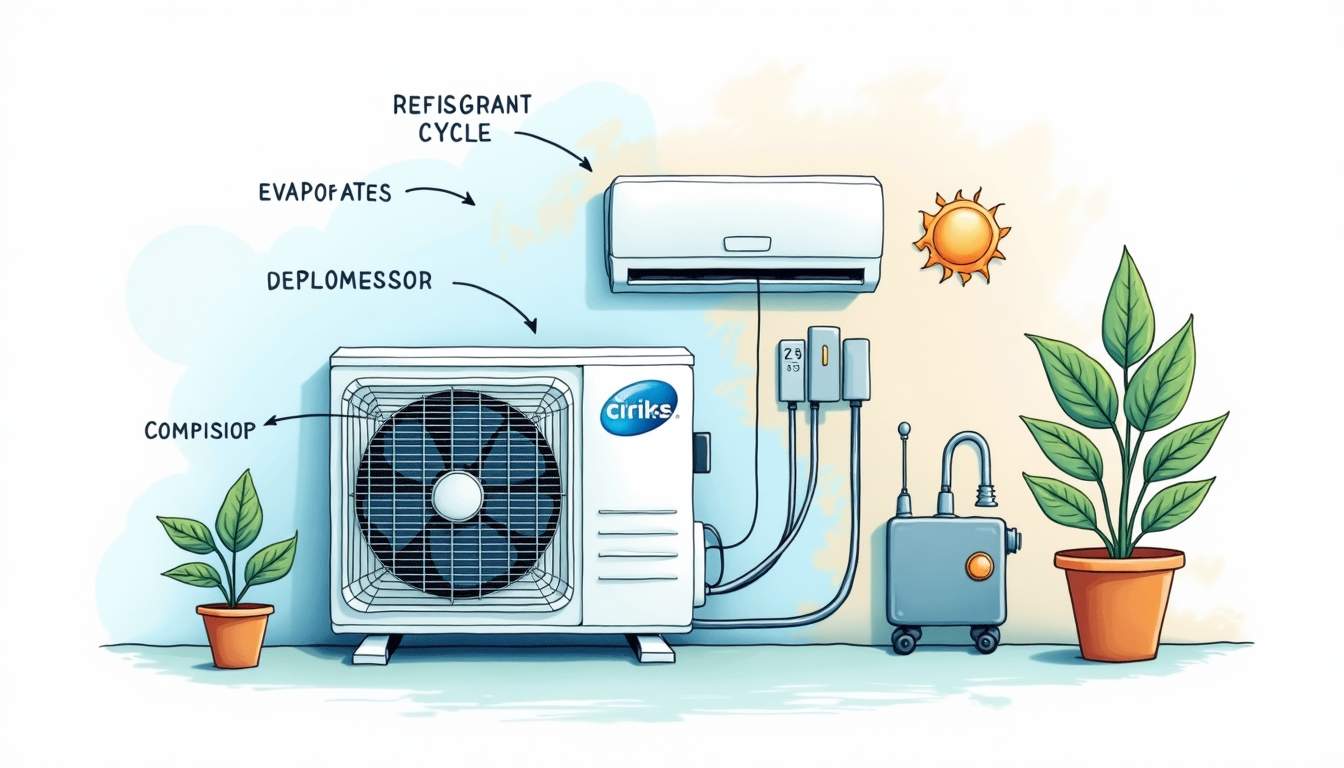
Modern AC systems typically use refrigerants like R-410A or R-32, which are designed to be more environmentally friendly than older types such as R-22. These newer refrigerants have a lower global warming potential (GWP), making them a better choice for sustainability. Because refrigerant is essential for heat transfer, low levels can cause your AC to blow warm air or run inefficiently, leading to higher energy bills and potential damage to the system. Additionally, maintaining the right refrigerant levels is not only crucial for performance but also for the longevity of your air conditioning unit, as running on low refrigerant can lead to compressor failure, which is often a costly repair.
Why Refrigerant Levels Drop
It’s a common misconception that refrigerant is “used up” over time. In reality, refrigerant doesn’t get consumed; it circulates within the system. When levels drop, it usually indicates a leak. Leaks can occur due to corrosion, physical damage, or faulty seals. Identifying and repairing leaks is crucial before recharging, as simply adding refrigerant without fixing leaks will only provide a temporary fix. Regular maintenance checks can help detect these issues early, preventing more significant problems down the line.
Moreover, the importance of proper refrigerant management extends beyond just the efficiency of your AC system. Leaks not only compromise the performance of your air conditioner but can also have detrimental effects on the environment. Refrigerants contribute to ozone depletion and global warming if released into the atmosphere. This is why regulations regarding refrigerant handling and disposal have become increasingly stringent. Homeowners should be aware of the signs of refrigerant leaks, such as hissing sounds, ice buildup on the evaporator coils, or a noticeable increase in energy costs, and should seek professional help to address these issues promptly. By being proactive, you can ensure that your AC system operates efficiently while also being environmentally responsible. For reliable solutions, check out the following link: https://www.socool.sg/
Signs That Your AC Needs a Refrigerant Recharge
Recognizing when your AC needs a refrigerant recharge can save you from discomfort and costly repairs. Here are some common symptoms to watch for:
Reduced Cooling Performance
If your air conditioner isn’t cooling your home as effectively as it used to, low refrigerant levels might be the culprit. You might notice that the air blowing from the vents isn’t as cold, or it takes longer for the room to reach the desired temperature. This could lead to increased discomfort during hot summer days, making it essential to address the issue promptly. Additionally, if you find yourself constantly adjusting the thermostat in an attempt to achieve a comfortable environment, it’s a clear sign that your AC is struggling to perform its primary function.
Longer Running Times
When refrigerant is low, the AC has to work harder and run longer to try to cool your space. This not only wastes energy but can also strain the compressor, potentially leading to premature failure. Over time, this increased workload can result in higher utility bills, as your system consumes more electricity to compensate for the lack of refrigerant. It’s also worth noting that a consistently running AC can lead to wear and tear on other components, further exacerbating the problem and leading to more significant repairs down the line.
Ice Formation on AC Components
Low refrigerant can cause the evaporator coil to become too cold, leading to ice buildup. If you notice frost or ice on the indoor coil or refrigerant lines, it’s a strong indicator that your system needs attention. This ice formation can block airflow, making the cooling process even less efficient. In some cases, homeowners may mistakenly believe that their AC is functioning well because they feel cold air, but the underlying issue of ice buildup can lead to more severe damage if left unaddressed.
Hissing or Bubbling Sounds
Unusual noises near the indoor or outdoor unit, such as hissing or bubbling, can signal a refrigerant leak. These sounds occur as refrigerant escapes or air enters the system. If you hear these noises, it’s crucial to act quickly, as a refrigerant leak can not only diminish your AC’s efficiency but also pose environmental hazards. In addition, the presence of these sounds often indicates that the system is under stress, which can lead to further complications if not resolved. Regular maintenance checks can help catch these issues early, ensuring that your AC operates smoothly and efficiently.
Tools and Equipment Needed for Refrigerant Recharge
Recharging AC refrigerant is a task that requires specialized tools and knowledge. Here’s a rundown of the essential equipment:
- Manifold Gauge Set: This tool measures the pressure of the refrigerant in the system, helping to diagnose issues and ensure proper recharge levels.
- Refrigerant Tank: Contains the correct type of refrigerant for your AC system, typically R-410A or R-32 for modern units.
- Vacuum Pump: Used to evacuate air and moisture from the system before adding refrigerant, ensuring optimal performance.
- Leak Detector: Helps identify leaks in the system so they can be repaired before recharging.
- Protective Gear: Safety goggles and gloves protect you from refrigerant exposure.
It’s important to note that handling refrigerants requires certification in many regions due to environmental regulations. If you’re not certified, it’s best to hire a professional technician.
The Step-by-Step AC Refrigerant Recharge Process
Now that you understand the importance of refrigerant and have the right tools, here’s a detailed breakdown of the recharge process.
Step 1: Diagnose and Locate Leaks
Before adding any refrigerant, thoroughly inspect the system for leaks. Use a leak detector or apply a soap solution to suspected areas and look for bubbles. Common leak points include connections, coils, and tubing.
Repair any leaks found by tightening fittings, replacing damaged parts, or sealing small holes with approved sealants. Recharging without fixing leaks will only result in the refrigerant escaping again.
Step 2: Recover Old Refrigerant
If there is any refrigerant left in the system, it should be safely recovered using a recovery machine. This step is crucial for environmental safety and legal compliance, as releasing refrigerant into the atmosphere is prohibited.
Step 3: Evacuate the System
Connect the vacuum pump to the service ports and evacuate the system to remove air, moisture, and contaminants. Running the vacuum for at least 30 minutes ensures the system is clean and ready for new refrigerant.
Step 4: Recharge with Refrigerant
Attach the manifold gauge set to the service ports and connect the refrigerant tank. Slowly open the tank valve and allow refrigerant to flow into the system. Monitor the pressure readings carefully, referring to the manufacturer’s specifications for the correct charge level.
Refrigerant can be added as a liquid or gas, depending on the system and manufacturer guidelines. Avoid overcharging, as too much refrigerant can cause high pressure and damage the compressor.
Step 5: Check System Performance
After recharging, run the AC and observe its operation. Check the temperature of the air coming from the vents, listen for unusual sounds, and monitor the pressure gauges. Properly charged systems should cool efficiently and operate quietly.
Step 6: Final Leak Check and Cleanup
Perform a final leak test to ensure no refrigerant is escaping. Clean up all tools and dispose of any waste materials according to local regulations. Proper handling protects both the environment and your safety.
Common Mistakes to Avoid During Refrigerant Recharge
Recharging refrigerant might seem straightforward, but several pitfalls can lead to problems. Here are common mistakes to watch out for:
Ignoring Leak Repairs
Adding refrigerant without fixing leaks is like filling a bucket with holes. The refrigerant will escape, and the problem will persist. Always locate and repair leaks first.
Using the Wrong Type of Refrigerant
Different AC systems require specific refrigerants. Using the wrong type can damage components and void warranties. Always check your system’s specifications before purchasing refrigerant.
Overcharging or Undercharging
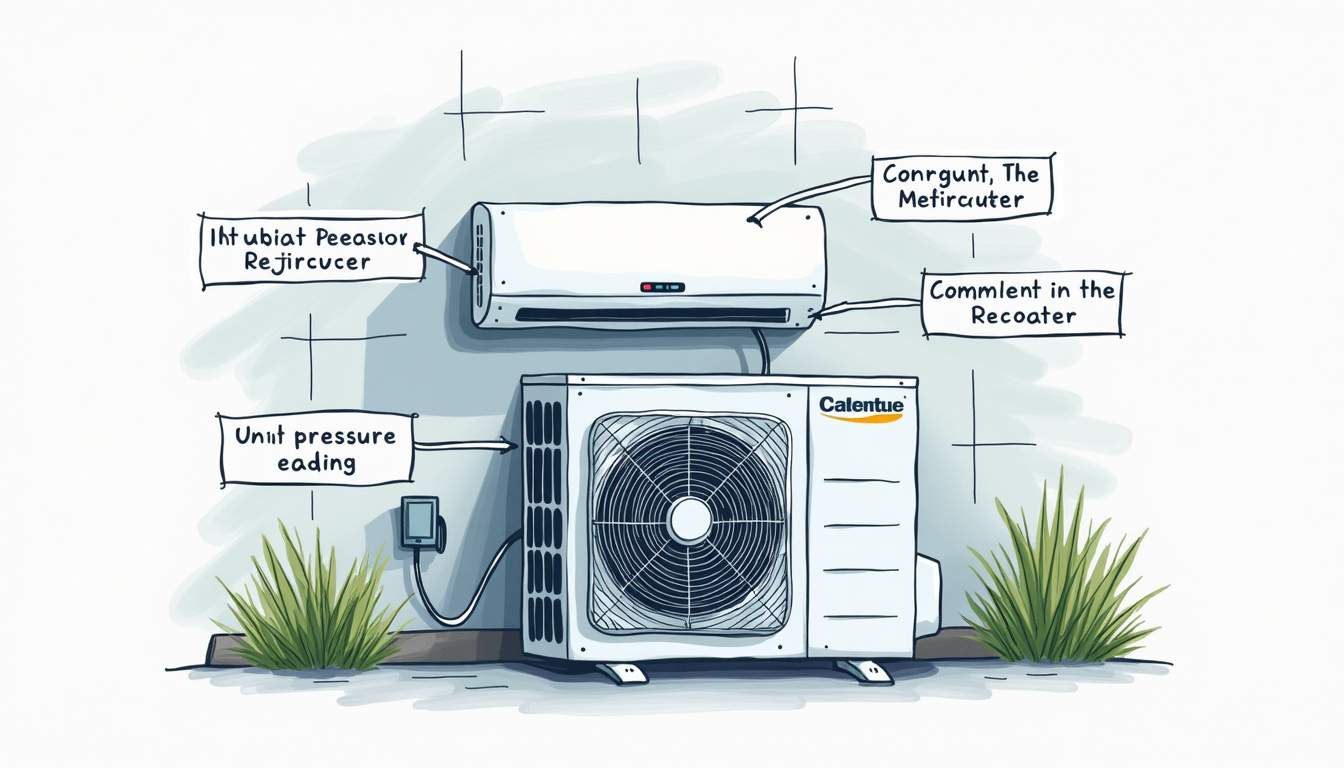
Both overcharging and undercharging can harm your AC system. Overcharging increases pressure and can cause compressor failure, while undercharging reduces cooling efficiency. Accurate pressure readings and manufacturer guidelines are essential.
Skipping the Vacuum Step
Failing to evacuate air and moisture can lead to poor performance and corrosion inside the system. Always use a vacuum pump before recharging.
When to Call a Professional
While some homeowners with technical skills may attempt a refrigerant recharge, it’s often safer and more effective to hire a licensed HVAC technician. Professionals have the training, tools, and certifications required to handle refrigerants safely and legally.
Complex issues like hidden leaks, system malfunctions, or refrigerant recovery require expertise. Additionally, improper handling of refrigerants can pose health risks and environmental hazards. If you’re unsure or uncomfortable with any part of the process, calling a professional is the best choice.
Maintaining Your AC System After Recharge
Once your AC has been recharged and is running smoothly, ongoing maintenance is key to prolonging its life and efficiency. Regularly replace or clean air filters, keep the outdoor unit free of debris, and schedule annual professional inspections.
Monitoring your system’s performance and addressing minor issues early can prevent refrigerant leaks and other problems from developing. Proper maintenance ensures your AC stays cool and reliable through many seasons.
Conclusion
The AC refrigerant recharge process is a vital part of maintaining a healthy and efficient cooling system. Understanding how refrigerant works, recognizing signs of low levels, and following a careful recharge procedure can restore your AC’s performance and comfort. Always prioritize safety, proper tools, and leak repairs, and don’t hesitate to seek professional help when needed. With the right care, your air conditioner will keep you cool and comfortable for years to come.