
Face painting has long been a beloved form of creative expression, enchanting both children and adults alike. What began as simple designs for birthday parties has blossomed into a vibrant art form that transforms faces into living canvases at festivals, themed events, and cultural celebrations worldwide. This evolution reflects not only advances in artistic techniques and materials but also a growing appreciation for the power of visual storytelling and personal transformation.
In this article, we explore the fascinating world of transformative face painting, tracing its journey from casual party entertainment to a celebrated feature of festivals and large-scale events. Along the way, we’ll uncover the artistry behind the designs, the cultural significance of face painting, and practical tips for those looking to dive into this colorful craft.
The Origins and Evolution of Face Painting
From Ancient Traditions to Modern Celebrations
Face painting is not a new phenomenon; it has roots that stretch back thousands of years. Indigenous tribes across Africa, Australia, the Americas, and Asia have used body and face paint for ceremonial purposes, spiritual rituals, and social identification. These traditional designs often held deep symbolic meaning, representing status, protection, or connection to nature and ancestors. For example, the Maori people of New Zealand use intricate facial tattoos known as “ta moko” to signify lineage and personal achievements, while the Himba tribe in Namibia employs a mixture of ochre and butterfat to create vibrant red hues that symbolize beauty and cultural identity.
Over time, face painting evolved from these sacred practices into more playful and decorative forms. In Western cultures, it became popularized as a form of entertainment at fairs, carnivals, and children’s birthday parties. Simple motifs like butterflies, tigers, and superheroes became staples, delighting young audiences with their transformative magic. This shift also coincided with the rise of popular culture, where characters from movies, cartoons, and comics influenced the designs chosen by children and parents alike. The introduction of face painting kits in the 1980s further democratized the art, allowing families to experiment with colors and designs at home, fostering creativity and imagination. For a truly magical experience, you can visit Wowzers to explore professional face painting services that bring joy to every celebration.
The Rise of Artistic Face Painting
In recent decades, face painting has undergone a renaissance, fueled by advances in materials and a growing community of skilled artists. High-quality, non-toxic paints now allow for intricate designs that are safe and long-lasting. Artists have pushed the boundaries of what’s possible, creating hyper-realistic portraits, fantasy creatures, and elaborate patterns that rival traditional paintings. The use of airbrush techniques and glitter has added new dimensions to face painting, transforming faces into mesmerizing works of art that can dazzle and captivate audiences.
This artistic evolution has helped face painting gain respect as a legitimate art form. It’s no longer just a party activity but a medium for creative expression at festivals, theatrical performances, and cultural events. The face becomes a dynamic canvas, capable of telling stories, evoking emotions, and connecting people through shared themes and experiences. Events like the World Face Painting Championship showcase the incredible talent of artists from around the globe, highlighting the diversity of styles and techniques. Additionally, social media platforms have played a significant role in popularizing face painting, allowing artists to share their work, connect with others, and inspire a new generation of face painters eager to explore this vibrant art form. As the community continues to grow, so too does the potential for innovation and collaboration, ensuring that face painting remains a lively and evolving practice.
Face Painting at Themed Parties: Creating Magic and Memories
Enhancing the Party Experience
Themed parties offer a perfect opportunity for face painting to shine. Whether it’s a pirate adventure, a fairy tale gathering, or a superhero showdown, face painting brings characters to life and immerses guests in the event’s atmosphere. A well-executed design can transform a shy child into a fierce dragon or a gentle fairy, sparking imagination and confidence.
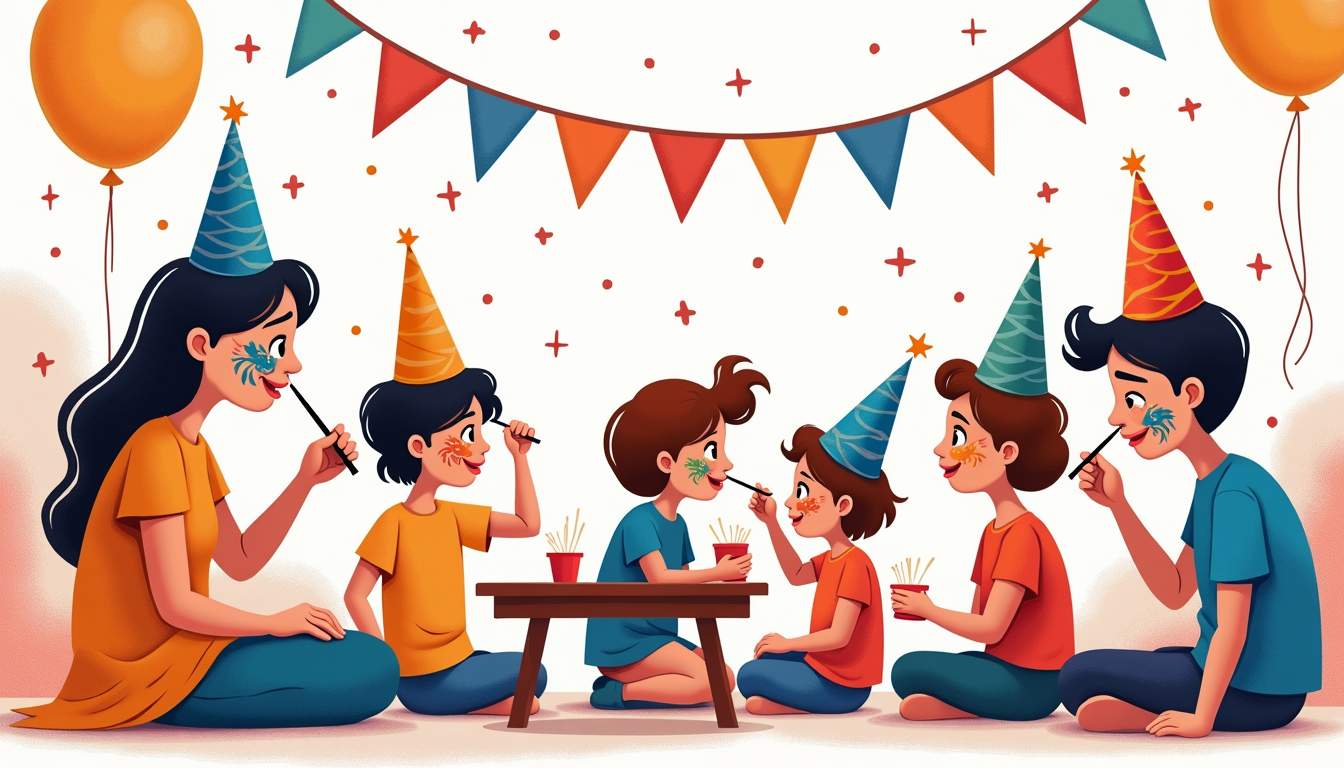
Professional face painters often collaborate with party planners to tailor designs that complement the theme, colors, and mood of the event. This personalized touch elevates the experience, making it memorable for attendees and hosts alike.
Techniques and Tips for Party Face Painting
For those interested in trying face painting at home or as a budding artist, there are a few key tips to keep in mind. First, always use skin-safe, hypoallergenic paints designed specifically for face and body art. Avoid craft paints or markers, as they can cause irritation.
Start with simple designs and gradually build your skills. Basic shapes like stars, hearts, and animal faces can be combined and customized to fit any theme. Use sponges for smooth backgrounds and brushes for details. Practice blending colors and layering to add depth and dimension.
Hygiene is crucial—clean brushes and sponges between uses, and use disposable applicators when possible. This ensures a safe and pleasant experience for everyone involved.
Transformative Face Painting at Festivals
A Canvas for Cultural Expression and Celebration
Festivals around the world have embraced face painting as a vibrant way to celebrate identity, culture, and creativity. From music and art festivals to cultural fairs and carnivals, face painting is a common feature that invites participants to engage and express themselves.
At these events, face painting often goes beyond simple decoration. It can serve as a symbol of community, a nod to heritage, or a form of protest and empowerment. For example, indigenous festivals may feature traditional patterns that honor ancestral roots, while contemporary events might showcase bold, avant-garde designs that challenge norms.
The Role of Professional Face Painters at Festivals
Professional face painters at festivals are artists, performers, and community builders. They work in fast-paced environments, often creating dozens or hundreds of designs over the course of a day. Their ability to quickly capture the spirit of the festival and the personality of each individual is a remarkable skill.
Many festival face painters develop signature styles or specialize in certain themes, such as fantasy creatures, tribal designs, or abstract art. They often collaborate with event organizers to create immersive experiences, sometimes incorporating face painting into workshops or interactive installations.
Innovations and Trends in Festival Face Painting
Recent years have seen exciting innovations in festival face painting. UV-reactive paints and glitter add a magical glow under black lights, perfect for nighttime events. Temporary tattoos and airbrush techniques allow for rapid application of complex designs, catering to large crowds.
Social media has also played a role in popularizing face painting trends. Artists share their work online, inspiring others and creating a global community of enthusiasts. This visibility encourages experimentation and fusion of styles, pushing the art form into new creative territories.
Practical Advice for Aspiring Face Painters
Building Your Skills and Portfolio
For those inspired to become face painters, the journey begins with practice and education. Many artists start by watching tutorials, attending workshops, or apprenticing with experienced painters. Understanding color theory, brush techniques, and facial anatomy enhances the quality of work.
Building a portfolio is essential for attracting clients and opportunities. Document your best designs with high-quality photos and create an online presence through social media or a personal website. Networking with event planners, photographers, and other artists can open doors to gigs and collaborations.
Choosing the Right Materials
Investing in professional-grade face paints and tools is crucial. Look for brands that prioritize safety, vibrant pigmentation, and ease of use. A typical kit includes a variety of brushes, sponges, a palette of colors, glitter, and stencils.
Maintaining your supplies is equally important. Clean brushes thoroughly after each use and store paints in a cool, dry place. This care extends the life of your materials and ensures consistent performance.
Understanding Client Needs and Safety
Whether painting at parties or festivals, communication with clients is key. Discuss design preferences, allergies, and any skin sensitivities beforehand. Always perform a patch test if using new products on someone’s skin.
Maintaining a clean workspace and practicing good hygiene protects both the artist and the participants. Use disposable applicators when possible, sanitize tools regularly, and avoid double-dipping into paint pots.
The Future of Transformative Face Painting
Technology Meets Tradition
As technology advances, the future of face painting looks bright and innovative. Digital projection mapping and augmented reality are beginning to merge with traditional face painting, creating interactive and dynamic designs that move and change with the wearer’s expressions.
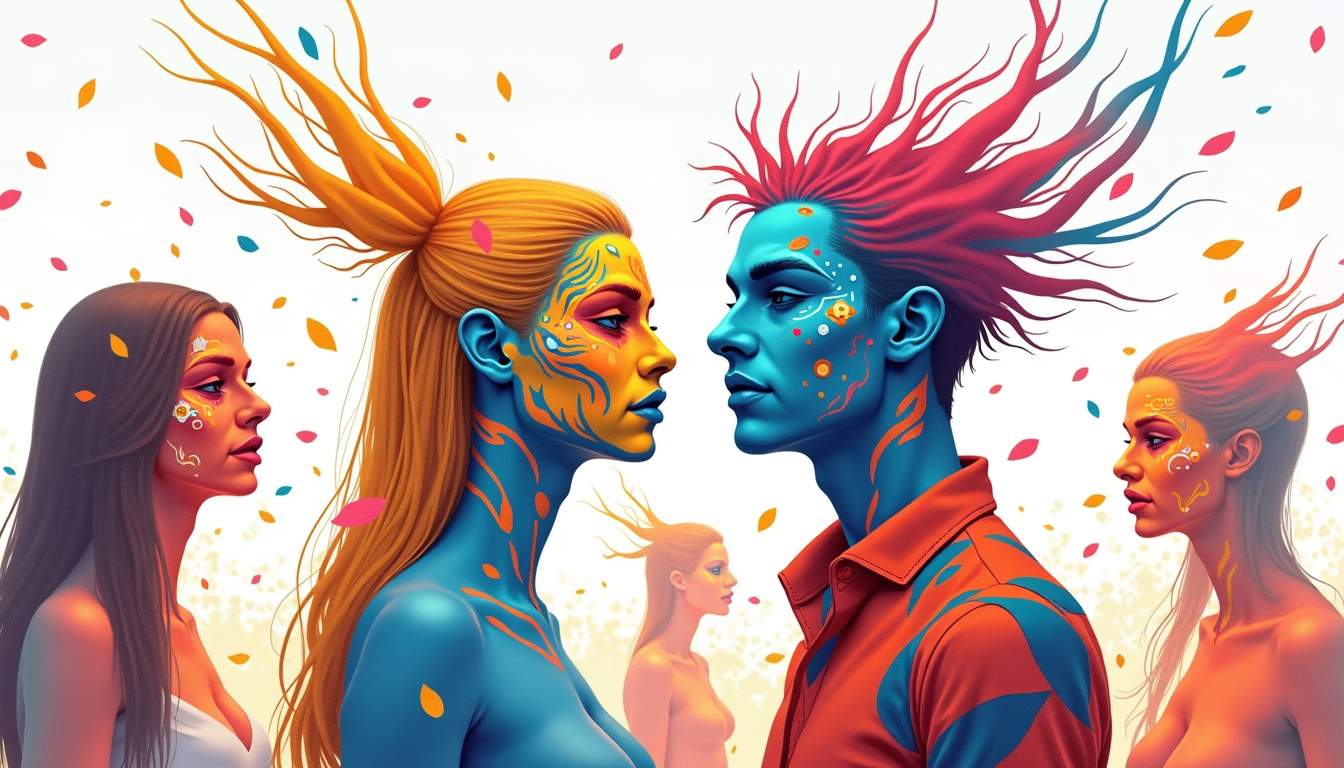
These innovations promise to expand the possibilities of face painting, blending art with technology to create immersive experiences at festivals and events. However, the core of face painting—its ability to transform and connect people—remains timeless.
Expanding Cultural Appreciation and Inclusivity
Face painting continues to be a bridge between cultures, fostering understanding and appreciation through shared artistic expression. As more communities embrace this art form, there is a growing emphasis on respecting cultural origins and promoting inclusivity.
Workshops and festivals increasingly highlight diverse traditions, encouraging artists and participants to learn about the history and significance behind various designs. This cultural exchange enriches the face painting community and honors the art’s deep roots.
Conclusion
From simple designs at children’s birthday parties to elaborate, symbolic works at international festivals, face painting has evolved into a powerful form of transformative art. It invites individuals to step into new identities, celebrate their heritage, and connect with others through creativity and color.
Whether as a hobbyist, professional artist, or festival-goer, engaging with face painting offers a unique opportunity to experience the magic of transformation. As this art form continues to grow and innovate, it promises to remain a vibrant and cherished part of celebrations around the world.