
Investing in property is a rewarding venture, but it comes with its own set of challenges—especially when it comes to maintenance. Keeping your properties in top shape not only preserves their value but also ensures tenant satisfaction and reduces costly repairs down the line. The right tools can make all the difference, whether you’re a hands-on investor or managing a team of contractors.
This comprehensive guide dives into the essential property maintenance tools every investor should have. From basic hand tools to advanced diagnostic devices, understanding what to use and when will empower you to tackle maintenance efficiently and confidently.
Why Proper Tools Matter in Property Maintenance
Property maintenance is more than just fixing leaks or repainting walls; it’s about proactive care and timely repairs. Using the correct tools can save time, reduce expenses, and improve the quality of work. For investors, this means protecting your investment and maintaining a steady rental income.
Imagine trying to tighten a loose door hinge with a screwdriver that doesn’t fit the screws, or diagnosing an electrical issue without a multimeter. These scenarios not only waste time but may cause further damage. Proper tools ensure tasks are done right the first time, avoiding repeated fixes and tenant complaints.
Moreover, having the right tools at your disposal can significantly enhance safety during maintenance tasks. For instance, using the appropriate ladder for high-reaching jobs reduces the risk of falls, while wearing gloves and goggles when handling hazardous materials protects against injuries. This not only safeguards the maintenance personnel but also ensures that the property remains in top condition, minimizing liability concerns for property owners. Investing in quality tools is an investment in safety and efficiency, which ultimately leads to a better living environment for tenants. To learn more about reliable maintenance solutions, visit Property Store.
Additionally, the type of tools used can reflect on the overall professionalism of property management. Tenants are more likely to feel secure and satisfied when they see that maintenance is handled with care and precision. For example, using high-quality paint sprayers instead of brushes can lead to a more uniform finish, while specialized plumbing tools can prevent leaks and ensure that repairs last longer. This attention to detail not only enhances the aesthetic appeal of the property but also fosters tenant retention, as satisfied residents are more likely to renew their leases and recommend the property to others.
Essential Hand Tools Every Investor Should Own
Hand tools are the backbone of any maintenance toolkit. They’re versatile, easy to use, and indispensable for everyday tasks around your properties. Whether you’re managing a single rental unit or a large portfolio, having the right tools on hand can save you time and money, enabling you to tackle repairs and improvements efficiently.
1. Screwdrivers and Nut Drivers
A quality set of screwdrivers is fundamental. Opt for a variety of flathead and Phillips head screwdrivers in multiple sizes to handle different screws. Nut drivers are equally important for tightening nuts and bolts on appliances, fixtures, and furniture. Having a dedicated screwdriver for electronics can also be beneficial, as it allows you to handle delicate components without damaging them.
Investors should consider magnetic tips to hold screws securely and ergonomic handles for comfort during extended use. A compact screwdriver set with interchangeable bits can also save space and increase versatility. Additionally, some screwdrivers come with built-in LED lights, making it easier to work in dimly lit areas, such as under sinks or in basements.
2. Hammer and Mallet
A reliable claw hammer is essential for driving nails, removing old fixtures, and light demolition. For more delicate tasks, such as assembling furniture or adjusting window frames, a rubber mallet prevents damage while delivering controlled force. It’s also worth considering a dead blow hammer, which minimizes rebound and delivers a more controlled impact, making it ideal for tasks that require precision.
Choosing a hammer with a balanced weight and shock-absorbing grip reduces fatigue and improves precision. Furthermore, investing in a hammer with a magnetic nail holder can streamline your work process, allowing you to single-handedly drive nails into tricky spots without needing to hold them in place.
3. Tape Measure and Level
Accurate measurements are crucial when installing shelves, curtains, or appliances. A sturdy tape measure with a locking mechanism and clear markings ensures precision. For hanging pictures or installing cabinets, a level guarantees that everything is perfectly horizontal or vertical, enhancing the property’s aesthetic and functionality. Some tape measures even feature built-in digital displays, which can provide instant feedback on measurements, making it easier to avoid mistakes.
4. Utility Knife
From cutting drywall to opening boxes, a sharp utility knife is a versatile tool. Replaceable blades ensure longevity and safety. Look for models with retractable blades and comfortable grips for ease of use. A utility knife with a safety lock feature can prevent accidental blade exposure, adding an extra layer of security during storage and transport.
5. Adjustable Wrench and Pliers
Plumbing and mechanical repairs often require adjustable wrenches and pliers. These tools help tighten or loosen fittings, grip objects firmly, and bend wires. Needle-nose pliers are particularly useful for reaching into tight spaces. Additionally, consider investing in locking pliers, which can hold objects securely without requiring constant pressure, freeing up your hands for other tasks.
Moreover, having a set of wire cutters can be invaluable for electrical repairs or when working with fencing. These tools can help you manage various materials, ensuring that you have the right equipment for any job that comes your way. A well-rounded toolkit not only enhances your efficiency but also empowers you to take on a wider range of projects, ultimately increasing the value of your investments.
Power Tools to Boost Efficiency and Capability
While hand tools are great for minor repairs, power tools can dramatically speed up maintenance work and handle more complex projects.
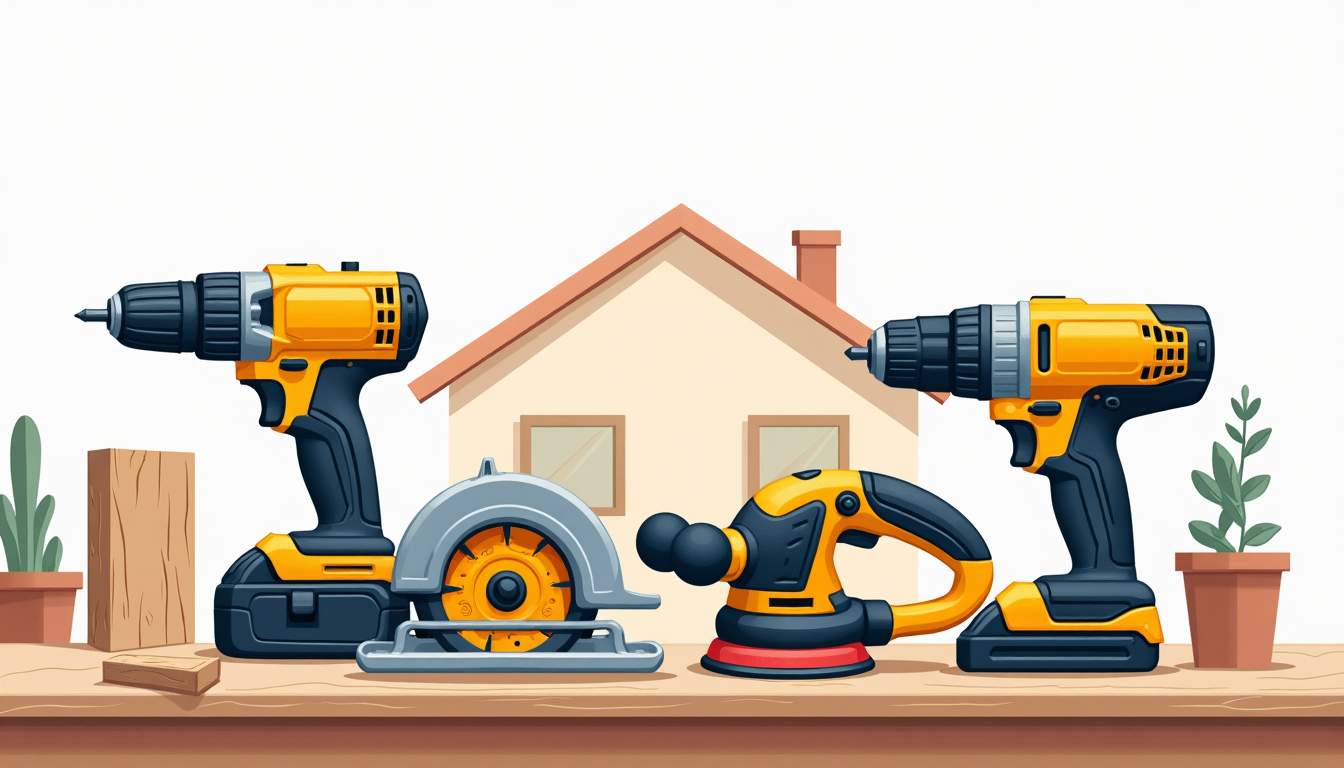
1. Cordless Drill and Impact Driver
A cordless drill is a must-have for drilling holes and driving screws quickly. Pair it with an impact driver for heavy-duty fastening jobs like deck building or installing drywall. Choose models with variable speed settings and long battery life for maximum flexibility.
Investors should also invest in a set of drill bits suitable for wood, metal, and masonry to cover all bases.
2. Oscillating Multi-Tool
This versatile tool can sand, cut, scrape, and grind with various attachments. It’s perfect for trimming door jambs, removing grout, or sanding small areas. Its compact size allows for precision work in tight spots, making it invaluable for property maintenance.
3. Wet/Dry Vacuum
Cleaning up after repairs or dealing with water spills requires a powerful vacuum. Wet/dry vacuums handle both liquid and solid debris, making them indispensable for flood cleanup, construction dust, and general tidying.
4. Portable Work Light
Good lighting is essential for safe and accurate repairs, especially in basements, attics, or during evening inspections. Portable LED work lights provide bright, energy-efficient illumination and often come with adjustable stands or magnetic bases for hands-free operation.
Diagnostic Tools for Preventive Maintenance
Beyond fixing visible issues, investors benefit from tools that help identify problems early, reducing costly emergencies.
1. Moisture Meter
Water damage is a common and expensive problem in rental properties. Moisture meters detect dampness in walls, floors, and ceilings before mold develops or structural damage occurs. Early detection allows for timely repairs and tenant safety.
2. Infrared Thermometer and Thermal Camera
These tools help identify heat loss, insulation gaps, and electrical faults. An infrared thermometer measures surface temperatures quickly, while a thermal camera provides a detailed heat map. They’re invaluable for energy audits and spotting hidden issues behind walls.
3. Electrical Tester and Multimeter
Electrical problems pose safety risks and can cause appliance failures. A non-contact voltage tester allows quick checks for live wires, while a multimeter measures voltage, current, and resistance to diagnose complex electrical issues.
Safety Gear: Protecting Yourself While Maintaining Properties
Maintenance work can expose investors to hazards like sharp tools, dust, chemicals, and electrical currents. Proper safety gear is non-negotiable.

1. Gloves and Eye Protection
Durable gloves protect hands from cuts, chemicals, and grime. Safety glasses or goggles shield eyes from flying debris and dust. Investing in comfortable, well-fitting gear encourages consistent use.
2. Respirators and Masks
When sanding, painting, or working in dusty environments, respiratory protection prevents inhalation of harmful particles. Choose masks rated for the specific hazards encountered, such as N95 respirators for dust or chemical cartridges for fumes.
3. Ear Protection
Power tools can generate loud noise that damages hearing over time. Earplugs or earmuffs reduce noise exposure, making long maintenance sessions safer.
Organizing and Storing Your Tools Efficiently
Having the right tools is only half the battle; keeping them organized and accessible saves time and frustration.
1. Toolboxes and Storage Cabinets
A sturdy toolbox with compartments helps keep small tools and bits organized. For larger collections, a rolling storage cabinet with drawers provides mobility and ample space. Labeling drawers and compartments further streamlines tool retrieval.
2. Wall-Mounted Pegboards
Pegboards allow tools to be hung visibly and within easy reach. This setup is ideal for frequently used items and helps maintain an orderly workspace.
3. Portable Tool Bags
For maintenance tasks across multiple properties, a durable tool bag with multiple pockets enables easy transport of essentials. Look for water-resistant materials and reinforced handles for durability.
Digital Tools and Apps to Complement Physical Maintenance Gear
Technology has transformed property maintenance, offering digital solutions that complement traditional tools.
1. Maintenance Management Software
Apps like Buildium, AppFolio, or Propertyware help investors schedule inspections, track repairs, and communicate with tenants and contractors. These platforms streamline workflow and ensure nothing falls through the cracks.
2. Inventory and Tool Tracking Apps
Keeping track of tools across multiple properties can be challenging. Inventory apps allow you to log and monitor tool usage, reducing loss and ensuring timely replacements.
3. DIY Repair Tutorials and Forums
When tackling unfamiliar repairs, video tutorials and online forums provide valuable guidance. Platforms like YouTube or Reddit’s property management communities offer practical advice and troubleshooting tips.
Conclusion
For property investors, a well-rounded set of maintenance tools is an investment in the longevity and profitability of your assets. Starting with essential hand tools, adding power tools for efficiency, incorporating diagnostic devices for preventive care, and prioritizing safety gear creates a solid foundation.
Equally important is organizing your tools and leveraging digital resources to manage maintenance tasks effectively. Whether you handle repairs personally or oversee a team, the right tools empower you to maintain your properties with confidence and professionalism.
By equipping yourself thoughtfully, you not only protect your investment but also foster positive tenant relationships and smooth property operations—key ingredients for long-term success in real estate investing.