
In critical field operations, whether during emergencies, large public events, or disaster response, the ability to manage communication and coordination efficiently determines success. Organizations need mobile solutions that provide immediate control and real-time decision-making capabilities. This is where advanced mobile facilities come in. A mobile command center for sale from Craftsmen Industries offers a comprehensive platform designed to enhance productivity, safety, and communication in the field. By integrating technology, functionality, and mobility, it allows teams to manage complex operations from virtually any location.
The Role of Mobile Command Centers in Modern Operations
Mobile command centers act as fully functional hubs on wheels, enabling teams to establish operational control in the field without relying on distant headquarters. They serve as the central point for communication, data collection, and coordination, ensuring teams remain connected and informed. These units are equipped with technology such as satellite internet, radio systems, mapping tools, and surveillance equipment. By bringing these capabilities directly to the scene, they help decision-makers react faster and more effectively in dynamic situations.
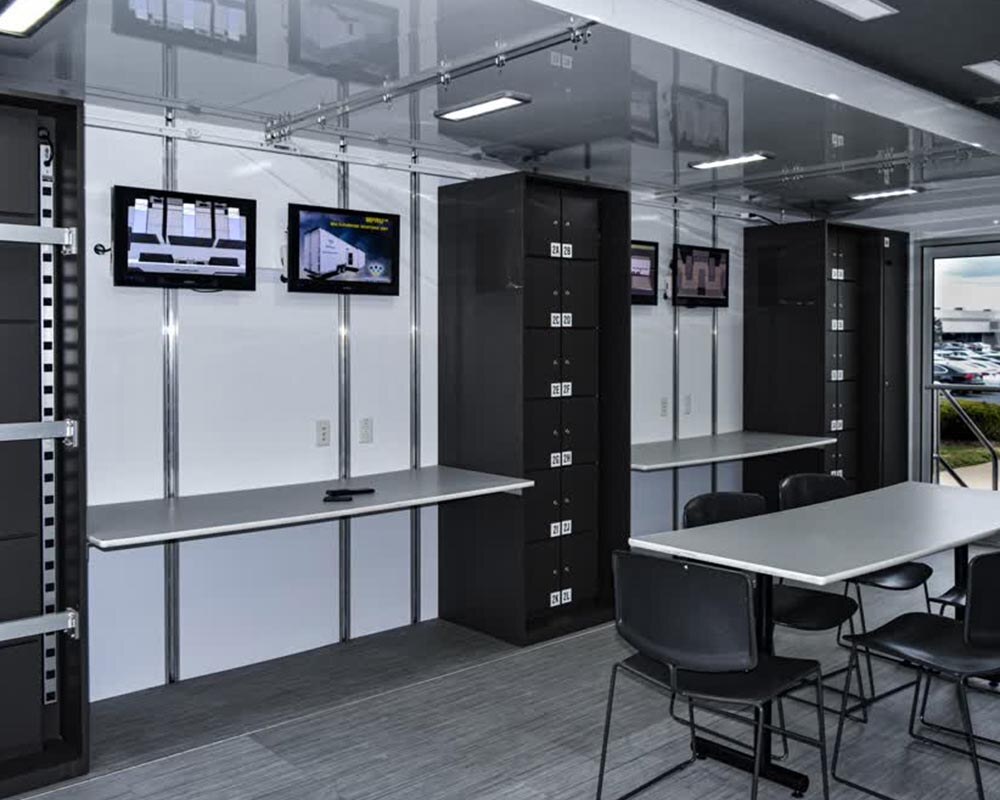
Enhancing Communication and Coordination
One of the most critical aspects of successful field operations is maintaining clear communication across all units. Mobile command centers make this possible by consolidating communication channels in one central location. Field teams, supervisors, and support staff can communicate in real time, reducing delays and improving response accuracy. They also help bridge communication gaps between multiple agencies, ensuring all parties share the same information instantly. This unified approach prevents confusion and fosters collaboration across departments.
Improving Response Time and Decision-Making
When emergencies strike, every second counts. Having a mobile command center on site allows leaders to evaluate situations as they unfold. Equipped with live data feeds, video monitoring, and tracking systems, these vehicles give commanders a clear view of ongoing operations. Decision-makers can analyze conditions immediately and deploy resources more efficiently. By minimizing the lag between reporting and response, these centers improve both reaction time and operational outcomes.
Key Features That Support Field Efficiency
Modern command centers are designed with adaptability and reliability in mind. They can operate in diverse conditions while maintaining full functionality. Typical features include advanced communication systems, data networks, climate control, and power backup solutions. These elements ensure uninterrupted operation even in remote areas. They can be customized with workstations, meeting areas, and storage space, allowing personnel to perform critical tasks comfortably and effectively.
Operational Flexibility and Customization
Every organization has unique needs depending on the type of mission or event it manages. Mobile command units can be tailored to meet those requirements precisely. Some units focus on emergency response coordination, while others are built for law enforcement, event management, or technical operations. Customization options can include specialized equipment racks, surveillance integration, or mobile labs. This adaptability ensures that the command center supports the specific goals and workflows of the organization using it.
How Mobile Command Centers Strengthen Safety
Safety is paramount in any field operation. These vehicles help ensure that teams have access to real-time data and situational awareness. Operators can monitor weather conditions, map hazardous zones, and track personnel locations. Video feeds and surveillance systems provide live visuals from the field, allowing command staff to anticipate and respond to threats immediately. This proactive capability reduces risks and enhances the protection of both personnel and the public.
Integration with Advanced Technology
Modern command units utilize the latest technologies to enhance operational performance. They can integrate with GPS, satellite systems, and digital networks to support communication and analysis. Cloud-based data sharing allows multiple teams to collaborate, regardless of location. Some setups even support remote conferencing and digital mapping, making it easier to share updates and coordinate decisions. This level of technological integration transforms the vehicle into a mobile operations headquarters that rivals fixed facilities in capability.
Benefits of Deploying Mobile Command Centers
A mobile command vehicle brings together all the resources needed to maintain order and efficiency during operations. Below are some of the major benefits organizations experience:
-
Centralized command and communication in the field
-
Increased situational awareness and faster decision-making
-
Seamless collaboration between multiple teams or agencies
-
Greater mobility and flexibility for diverse missions
-
Enhanced public and personnel safety through real-time monitoring
Mobile Command Vehicles in Action
A mobile command vehicle for sale is more than just a transportation asset; it is an essential operational tool. Police departments, fire services, emergency medical teams, and utility companies rely on them to establish control centers wherever they are needed. These vehicles are also used for large-scale events, environmental monitoring, and search-and-rescue missions. Their mobility ensures that coordination and command functions can move directly to the source of action, ensuring no time or information is lost during transitions.
Supporting Different Sectors
While emergency response is a common application, mobile command centers serve a variety of industries. Law enforcement uses them for tactical operations and crowd management. Disaster response organizations rely on them to coordinate recovery efforts. Corporate event teams utilize them as mobile offices or monitoring units. Even media companies employ mobile command trailers to manage live broadcasting and production. Each of these applications demonstrates how adaptable and indispensable these vehicles can be across sectors.
The Importance of Mobility in Modern Operations
In fast-changing environments, having the ability to relocate quickly gives organizations a significant advantage. Mobile command trailers allow operational teams to move from one site to another while staying fully connected. This mobility ensures that the flow of information continues without disruption. Whether handling natural disasters, coordinating large events, or managing field logistics, mobility enhances both reach and responsiveness. It ensures command capabilities are not limited by geography or infrastructure.
Future Outlook for Field Command Technology
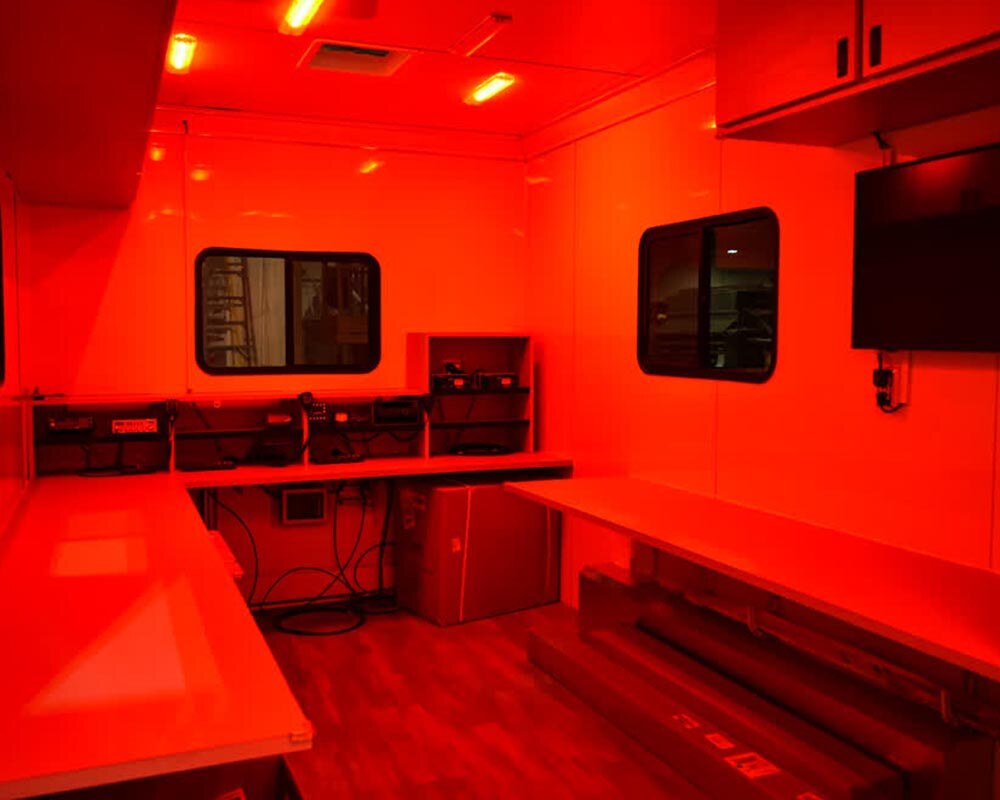
As technology continues to evolve, mobile command centers will become even more advanced and autonomous. Emerging innovations like AI-assisted monitoring, real-time analytics, and expanded connectivity options are shaping the next generation of these vehicles. The focus will continue to shift toward sustainability, modular design, and increased automation. Organizations that adopt these innovations early will enjoy improved efficiency and adaptability, maintaining a competitive edge in field management and coordination.
Conclusion
A mobile command center represents more than a piece of equipment; it is the foundation of field efficiency, communication, and control. These mobile facilities empower organizations to respond rapidly, coordinate seamlessly, and operate confidently in any environment. With the expertise and innovation of Craftsmen Industries, businesses and public agencies can invest in solutions that enhance operational readiness and ensure mission success wherever the job takes them.
FAQs
What is the main purpose of a mobile command center?
A mobile command center provides on-site communication, coordination, and control for teams operating in the field, enabling faster and more effective response.
Can a mobile command center be customized for specific missions?
Yes, these units can be tailored with specific layouts, technologies, and equipment to meet the operational needs of each organization or department.
What kind of technology is included in modern command centers?
They often include satellite communication, GPS tracking, video surveillance, and digital data systems that support real-time information sharing and collaboration.
Are mobile command centers suitable for non-emergency uses?
Yes, they are widely used for public events, corporate functions, environmental research, and mobile broadcasting, not just for emergency response.
How do mobile command centers improve safety?
By providing live monitoring, situational awareness, and rapid communication, they help minimize risks and ensure safer field operations.