
Imagine scrubbing your kitchen counters with a product that’s not only effective but also kind to the planet. It’s not just a dream-sustainable cleaning products are transforming the way we keep our homes spotless, without the toxic side effects or environmental guilt.
What Makes a Cleaning Product Sustainable?
At its core, sustainability in cleaning products means minimizing harm to the environment and human health while maintaining cleaning power. This involves several factors: ingredients, packaging, manufacturing processes, and biodegradability.
Many conventional cleaners contain harsh chemicals like ammonia, chlorine bleach, and synthetic fragrances. These substances can pollute waterways, harm aquatic life, and even irritate skin or respiratory systems. Sustainable alternatives focus on plant-based, non-toxic ingredients that break down naturally. For instance, ingredients like vinegar, baking soda, and essential oils not only provide effective cleaning solutions but also leave behind a pleasant, natural scent. Moreover, the use of biodegradable surfactants derived from renewable resources ensures that these products do not linger in the environment, further supporting ecological balance.
Packaging also plays a big role. Single-use plastic bottles contribute to landfill waste and ocean pollution. Sustainable products often use recycled materials, refillable containers, or innovative packaging like compostable pouches. Choosing products with minimal or recyclable packaging helps reduce your environmental footprint. Additionally, some brands are pioneering the use of concentrated formulas that require less packaging and water, allowing consumers to dilute the product at home. This not only cuts down on transportation emissions but also empowers users to make eco-friendly choices right from their kitchen sink.
Furthermore, the manufacturing processes behind sustainable cleaning products are often more energy-efficient and ethically responsible. Many companies prioritize renewable energy sources in their production facilities and adhere to fair labor practices, ensuring that their products are not only good for the planet but also for the people involved in their creation. By supporting brands that are transparent about their sourcing and manufacturing, consumers can contribute to a more sustainable economy, fostering a market that values environmental stewardship and social responsibility. To experience eco-conscious cleaning in action, visit RMS Cleaning website, which provides residential & commercial cleaning services in New Jersey, including deep cleans, move-in/move-out services, Airbnb turnover, and office care, with free quotes available.
Key Ingredients to Look For-and Avoid
Understanding what goes into your cleaning products is crucial. Here are some common sustainable ingredients and why they work:
Plant-Based Surfactants
Surfactants are the cleaning agents that lift dirt and grease. Sustainable products use surfactants derived from coconut oil, corn, or sugar, which are biodegradable and gentle on skin. These alternatives avoid petrochemicals found in many traditional cleaners. Additionally, plant-based surfactants are often less harsh on surfaces, making them ideal for a variety of materials, from countertops to delicate fabrics. Their natural origin also means they break down more easily in the environment, reducing the risk of water pollution and contributing to a healthier ecosystem.
Essential Oils and Natural Fragrances
Instead of synthetic perfumes, sustainable cleaners often use essential oils like lemon, eucalyptus, or lavender. These oils not only provide a fresh scent but can also have antimicrobial properties. Plus, they’re less likely to trigger allergies or headaches. The use of essential oils also allows for a more customized cleaning experience; for instance, tea tree oil is known for its powerful antiseptic qualities, making it a great addition for cleaning bathrooms, while citrus oils can uplift mood and create a refreshing atmosphere in living spaces. The aromatic benefits of these natural fragrances can transform mundane chores into a more pleasant experience.
Vinegar and Baking Soda
These household staples have been trusted for generations. Vinegar’s acidity breaks down mineral deposits and grime, while baking soda’s mild abrasiveness tackles stains and odors. Both are inexpensive, non-toxic, and widely available. Moreover, when combined, they create a fizzy reaction that can help unclog drains and clean tough stains. Their versatility extends beyond cleaning; for example, vinegar can also be used as a fabric softener in laundry, and baking soda can serve as an effective deodorizer in refrigerators. This dual-purpose functionality makes them essential components in any eco-friendly cleaning arsenal.
Ingredients to Avoid
Steer clear of products containing phosphates, parabens, triclosan, and synthetic dyes. These chemicals can persist in the environment and may disrupt ecosystems or human hormones. Also, avoid products with “fragrance” listed without details, as this often masks harmful compounds. Furthermore, be cautious of products that contain bleach or ammonia, as these can produce toxic fumes when mixed with other cleaners and pose health risks, especially in poorly ventilated areas. By being vigilant about ingredient labels, you can make informed choices that prioritize both your health and the planet’s well-being.
Types of Sustainable Cleaning Products for Your Home
There’s a sustainable option for nearly every cleaning need, from floors to laundry. Here’s a breakdown of common categories and what to look for:
All-Purpose Cleaners
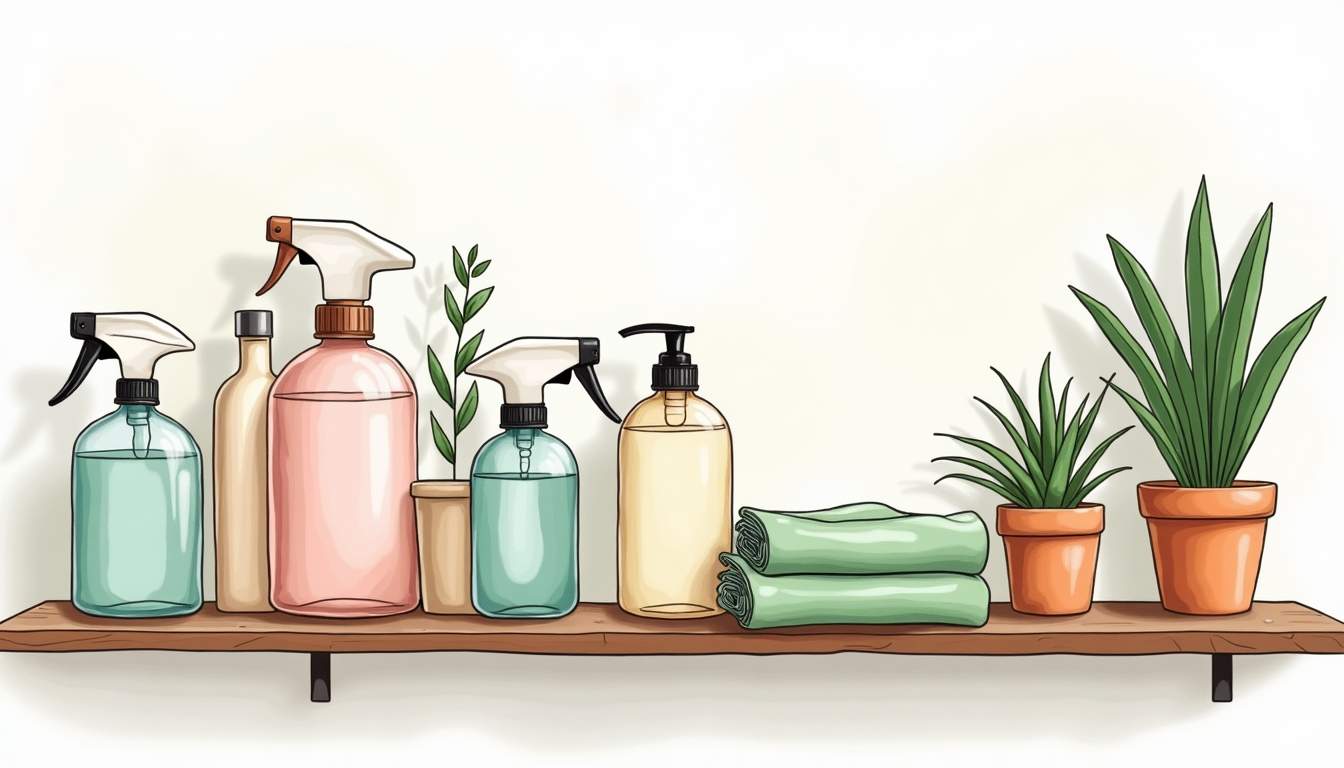
These versatile products tackle everything from kitchen counters to bathroom sinks. Sustainable all-purpose cleaners often combine plant-based surfactants with natural oils and water. They clean effectively without leaving harmful residues.
Dishwashing Liquids
Look for dish soaps that cut grease with biodegradable ingredients and come in refillable or concentrated forms to reduce packaging waste. Many brands now offer formulas free of sulfates and synthetic dyes, which are gentler on your skin and the environment.
Laundry Detergents
Sustainable laundry detergents avoid phosphates and optical brighteners, which can harm aquatic life. Powdered detergents often have less packaging and preservatives than liquids. Some brands also offer detergent sheets or pods that dissolve completely and reduce plastic waste.
Glass and Surface Cleaners
Natural glass cleaners usually rely on vinegar or alcohol combined with essential oils. They leave surfaces streak-free without harsh chemicals. These products are safe for households with children and pets.
Bathroom Cleaners
Bathrooms require strong cleaning power, but that doesn’t mean toxic chemicals are necessary. Sustainable bathroom cleaners use enzymes or natural acids to break down soap scum and mildew. They’re effective yet gentle enough to avoid irritating sensitive skin.
How to Choose and Use Sustainable Cleaning Products
With so many options, picking the right sustainable products can feel overwhelming. Here are some tips to help you make informed decisions:
Read Labels Carefully
Look for certifications like EPA Safer Choice, Ecocert, or USDA Organic, which indicate verified sustainability standards. Avoid vague claims like “green” or “natural” without supporting information. Transparent ingredient lists are a good sign.
Consider Concentrates and Refills
Concentrated formulas reduce transportation emissions and packaging waste. Many brands offer refill pouches or stations where you can top up your bottles. This approach saves money and cuts down on single-use plastics.
Test for Sensitivities
Even natural ingredients can cause reactions in some people. Test new products on a small skin patch or use gloves if you have sensitive skin. Choose fragrance-free options if allergies are a concern.
Use the Right Amount
More product doesn’t always mean cleaner surfaces. Follow instructions carefully to avoid waste and buildup, which can reduce effectiveness and increase environmental impact.
DIY Sustainable Cleaning Solutions
Making your own cleaning products is a rewarding way to control ingredients and reduce packaging. Here are a few simple recipes that work wonders:

All-Purpose Cleaner
Mix 1 cup distilled water, 1 cup white vinegar, and 10–15 drops of lemon or tea tree essential oil in a spray bottle. Shake well before each use. This solution cleans counters, tiles, and glass.
Natural Scrub
Combine baking soda with a few drops of castile soap and water to form a paste. Use it to scrub sinks, tubs, and stovetops. It’s abrasive enough to remove grime but gentle on surfaces.
Glass Cleaner
Mix equal parts water and white vinegar in a spray bottle. For a pleasant scent, add a few drops of peppermint or lavender essential oil. Spray on windows or mirrors and wipe with a microfiber cloth for a streak-free shine.
Drain Cleaner
Pour ½ cup baking soda down the drain, followed by ½ cup vinegar. Let it fizz for 15 minutes, then flush with boiling water. This natural method helps clear clogs without harsh chemicals.
Benefits Beyond the Environment
Switching to sustainable cleaning products does more than reduce your carbon footprint. It can improve indoor air quality, reduce allergies, and protect your family’s health.
Many conventional cleaners release volatile organic compounds (VOCs) that contribute to indoor pollution and respiratory problems. Sustainable products with natural ingredients emit fewer VOCs, creating a safer living space.
Additionally, choosing gentle, non-toxic cleaners can prevent skin irritation and allergic reactions, especially important for children, pets, and those with sensitivities.
Making the Switch: Practical Tips
Start small. Replace one or two products at a time rather than overhauling your entire cleaning cabinet overnight. This approach lets you test effectiveness and adjust to new scents or textures.
Keep an eye out for local stores or co-ops that stock sustainable cleaning supplies. Supporting local businesses can reduce shipping emissions and foster community connections.
Consider reusable cleaning tools like microfiber cloths, mop heads, and brushes made from sustainable materials. These last longer and reduce waste compared to disposable wipes or sponges.
Common Misconceptions About Sustainable Cleaning Products
Some people believe sustainable cleaners aren’t as effective as traditional ones. While it’s true that certain tough stains may require more elbow grease or specialized products, many sustainable options perform just as well for everyday tasks.
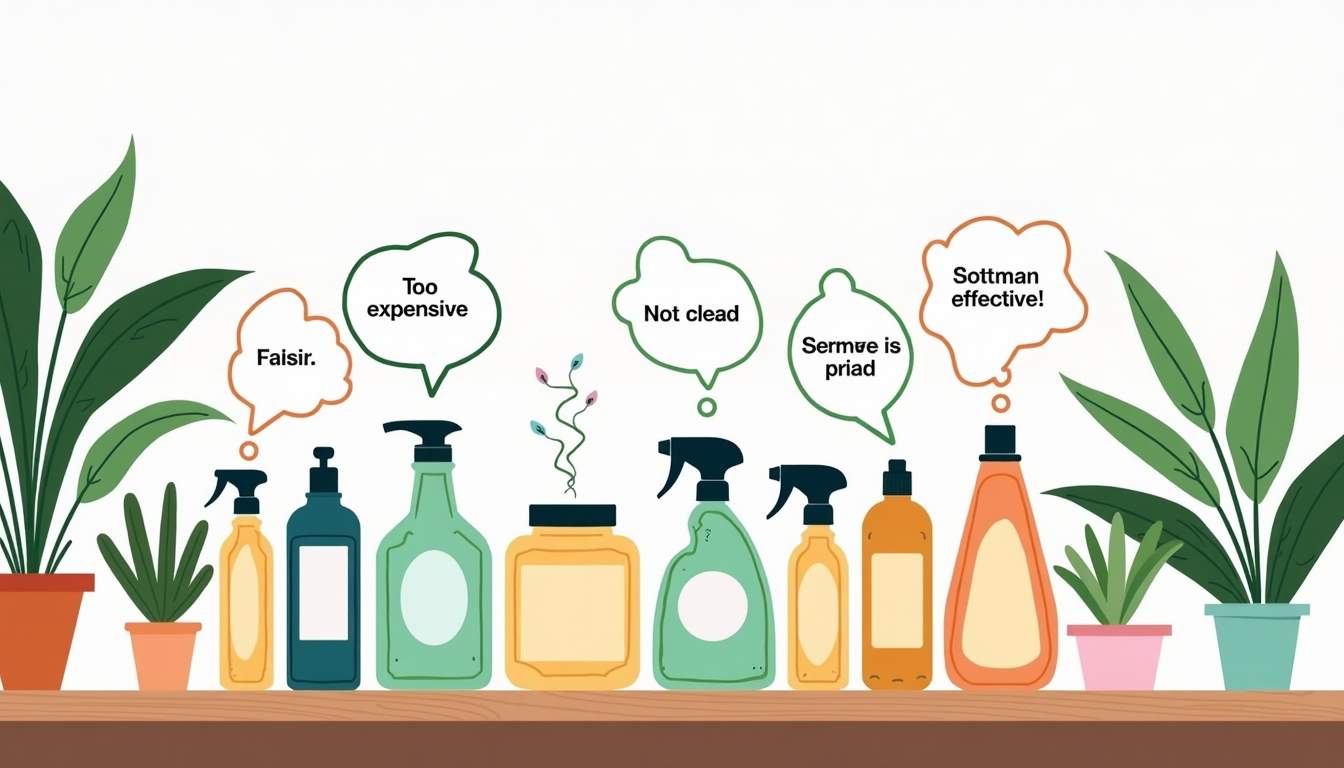
Another myth is that sustainable products are always more expensive. While some premium brands carry higher price tags, many affordable options exist, especially if you make your own cleaners or buy in bulk.
Finally, some think sustainable products have limited availability. The market has grown rapidly, and most supermarkets, drugstores, and online retailers now offer a variety of eco-friendly cleaning solutions.
Final Thoughts
Choosing sustainable cleaning products is a simple yet impactful way to care for your home and the planet. By paying attention to ingredients, packaging, and certifications, you can find effective cleaners that align with your values.
Whether you buy ready-made products or whip up your own natural solutions, the key is consistency. Small changes add up, creating a healthier environment for your family and future generations.
Cleaning doesn’t have to come at the earth’s expense. With the right products, your home can shine-and so can your commitment to sustainability.