
Visiting the dentist can often be a source of anxiety and stress for many people. The sound of drills, the unfamiliar environment, and concerns about pain can make dental appointments something to dread. However, dentistry has evolved significantly over the years, with a growing emphasis on gentle and caring approaches that prioritize patient comfort and emotional well-being alongside oral health. This article explores how modern dentistry is becoming more compassionate, the techniques and technologies that support this shift, and why choosing a gentle dental practice can transform your experience.
Understanding the Importance of a Gentle Approach
Dental anxiety is a very real and common issue. Studies estimate that around 36% of the population experiences some degree of dental fear, with about 12% avoiding dental care altogether because of it. This avoidance can lead to worsening oral health, which in turn can cause pain, infections, and more complex treatments down the line. The implications of neglecting dental health extend beyond the mouth; they can affect overall well-being, leading to issues such as heart disease and diabetes. Therefore, addressing dental anxiety is not just about improving oral health, but also about enhancing the quality of life for individuals.
A gentle and caring approach to dentistry addresses these fears head-on. It recognizes that every patient is unique, with different levels of comfort and emotional needs. By fostering a calm, supportive environment, dentists can help patients feel safe and respected, reducing anxiety and encouraging regular visit Indental Castle Hill. This approach often includes the use of sedation techniques, mindfulness practices, and even virtual reality experiences to distract and soothe patients during procedures, making dental visits more manageable and less intimidating.
Building Trust Through Communication
One of the cornerstones of gentle dentistry is open and honest communication. Dentists who take the time to explain procedures clearly, answer questions patiently, and listen to concerns create a foundation of trust. When patients understand what to expect and feel their worries are acknowledged, their anxiety often diminishes significantly. This trust is further reinforced by follow-up communications, where dentists check in on patients after procedures to ensure their comfort and address any lingering concerns.
Moreover, gentle dentists often use non-technical language and visual aids to help patients grasp what is happening. This transparency empowers patients to make informed decisions about their care, fostering a collaborative relationship rather than a hierarchical one. Many practices also encourage patients to express their preferences regarding treatment options, allowing them to feel more in control of their dental experience, which can significantly alleviate feelings of helplessness that often accompany dental visits.
Creating a Comfortable Environment
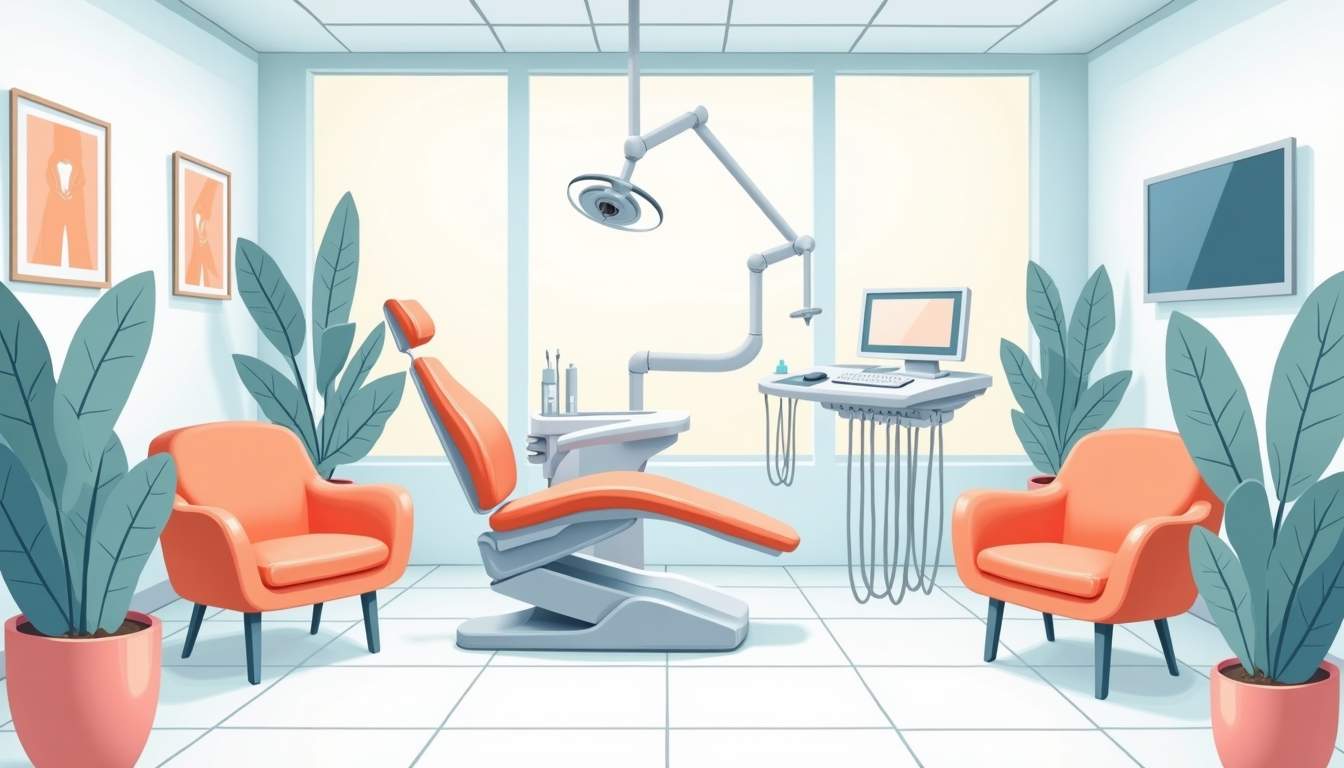
The physical setting of a dental office plays a crucial role in patient comfort. Many gentle dental practices invest in creating a soothing atmosphere with calming colors, comfortable seating, and even amenities like music or aromatherapy. These small touches can make a big difference in helping patients relax before and during their appointment. Some offices even offer cozy blankets or stress balls, allowing patients to personalize their experience and feel more at home.
Additionally, the demeanor of the dental team — from receptionists to hygienists — contributes to a welcoming environment. Friendly greetings, empathy, and patience all help to ease nervousness and make visits more pleasant. Training staff in customer service and emotional intelligence can further enhance this environment, ensuring that every interaction is positive. By prioritizing patient comfort and emotional well-being, dental practices not only improve the patient experience but also foster long-term loyalty and trust, encouraging patients to prioritize their dental health without fear.
Techniques That Promote Gentle Dentistry
Advancements in dental techniques and technology have made it possible to provide effective treatment with minimal discomfort. Gentle dentistry is not just about attitude; it’s also about adopting methods that reduce pain, shorten procedures, and improve outcomes. This holistic approach emphasizes patient comfort and well-being, making dental visits less daunting for individuals of all ages. By fostering a welcoming environment and utilizing the latest innovations, dental professionals can transform the patient experience from one of anxiety to one of reassurance and care.
Pain Management and Anesthesia Options
Effective pain control is fundamental to a gentle dental experience. Beyond traditional local anesthesia, many practices now offer options such as topical anesthetics, sedation dentistry, and even nitrous oxide (laughing gas) to help patients relax. These advancements are particularly beneficial for individuals who have had negative experiences in the past, as they can significantly reduce anxiety levels and make the dental visit more pleasant.
For patients with severe anxiety or complex procedures, sedation dentistry can be a game-changer. It ranges from mild sedation, where patients remain awake but calm, to deeper sedation or general anesthesia when necessary. These options ensure that patients feel comfortable and pain-free throughout their treatment. Additionally, the use of monitoring equipment during sedation ensures that patients are safe and closely observed, allowing for a worry-free experience. This level of care not only alleviates discomfort but also builds trust between the patient and the dental team, encouraging regular visits and proactive oral health management.
Minimally Invasive Procedures
Minimally invasive dentistry focuses on preserving as much natural tooth structure as possible and reducing trauma to surrounding tissues. Techniques such as air abrasion, laser dentistry, and microdentistry allow dentists to treat decay and other issues with smaller instruments and less drilling. This approach is not only gentler but also aligns with the growing emphasis on preventive care in dentistry, where the goal is to maintain oral health rather than simply react to problems.
Laser dentistry, in particular, has gained popularity for its precision and ability to reduce bleeding, swelling, and discomfort during procedures. Patients often experience quicker healing times and less postoperative pain, making the overall experience gentler. Furthermore, the use of lasers can minimize the need for sutures in many cases, allowing for a more streamlined recovery process. As technology continues to evolve, the possibilities for minimally invasive techniques expand, promising even more comfortable options for patients in the future.
Use of Modern Diagnostic Tools
Early detection of dental problems can prevent the need for extensive and invasive treatments. Technologies like digital X-rays, intraoral cameras, and 3D imaging provide detailed insights with less radiation and greater accuracy than traditional methods. These modern diagnostic tools not only enhance the dentist’s ability to identify issues but also empower patients with a clearer understanding of their oral health status.
These tools enable dentists to develop targeted treatment plans that address issues before they become painful or complicated. Early intervention not only preserves oral health but also reduces the intensity and duration of treatments, contributing to a gentler approach. Moreover, the visual aids provided by intraoral cameras can help patients visualize their dental conditions, fostering a collaborative environment where they feel more involved in their care decisions. This transparency can significantly alleviate fears and encourage a more proactive attitude toward maintaining oral health, ultimately leading to better long-term outcomes.
Emotional Support and Patient-Centered Care
Gentle dentistry extends beyond the physical aspects of treatment to include emotional support and respect for the patient’s experience. This holistic approach recognizes that dental care is not just about teeth but about the whole person.
Empathy and Understanding
Empathy is a vital component of gentle dentistry. Dentists and their teams who show genuine concern for their patients’ feelings help to alleviate fear and build confidence. Simple gestures such as asking how a patient is feeling or offering breaks during treatment can make a significant difference.
For patients with dental phobia or trauma history, some practices offer specialized counseling or referrals to mental health professionals. Addressing the psychological aspects of dental care ensures that treatment is as comfortable as possible.
Personalized Treatment Plans
Every patient’s needs and preferences are different. Gentle dentists tailor their treatment plans to accommodate these differences, whether that means scheduling shorter appointments, using specific anesthetics, or pacing the treatment over multiple visits.
This personalized approach respects the patient’s pace and comfort level, reducing stress and improving cooperation. It also encourages patients to take an active role in their oral health, leading to better long-term outcomes.
Encouraging Preventive Care
Prevention is a key tenet of gentle dentistry. By focusing on education and regular maintenance, dentists help patients avoid painful and invasive procedures. Teaching proper brushing and flossing techniques, dietary advice, and the importance of routine check-ups empowers patients to maintain healthy smiles with minimal intervention.
Preventive care also fosters a positive relationship between patient and dentist, as visits become routine and non-threatening rather than emergency-driven.
Choosing a Gentle and Caring Dental Practice
Finding a dental practice that prioritizes a gentle and caring approach can transform your dental experience. Here are some tips to help you choose the right provider:

Research and Reviews
Start by researching local dentists online. Look for reviews that mention patient comfort, empathy, and gentle care. Many practices highlight their philosophy and techniques on their websites, giving you insight into their approach.
Consultation Visits
Many dentists offer initial consultations that allow you to meet the team, tour the office, and discuss your concerns without committing to treatment. Use this opportunity to assess how the staff communicates and whether you feel comfortable in the environment.
Ask About Techniques and Options
Don’t hesitate to ask about pain management options, sedation availability, and minimally invasive techniques. A caring dentist will be happy to discuss these and tailor treatment to your needs.
Consider Specialties
Some dentists specialize in treating anxious patients or children, offering additional training and techniques to ensure a gentle experience. Pediatric dentists, for example, are experts in creating a positive atmosphere for young patients, which can set the foundation for lifelong oral health.
The Future of Gentle Dentistry
The trend toward gentle and caring dentistry is expected to continue growing as patient-centered care becomes the norm. Innovations in technology, materials, and training will further enhance the ability of dental professionals to provide comfortable, effective treatments.
Tele-dentistry and virtual consultations are also emerging, allowing patients to discuss concerns and receive guidance from the comfort of their homes. This convenience can reduce anxiety and improve access to care.
Ultimately, the future of dentistry lies in balancing clinical excellence with compassion, ensuring that every patient feels valued, safe, and cared for.
Conclusion
A gentle and caring approach to dentistry transforms what can be a stressful experience into one of comfort and trust. By prioritizing communication, pain management, minimally invasive techniques, and emotional support, dental professionals can help patients overcome anxiety and achieve optimal oral health.
Choosing a dental practice that embraces these principles not only improves your immediate experience but also encourages lifelong habits that protect your smile. In this way, gentle dentistry is not just about treatment—it’s about nurturing a partnership that promotes wellness and confidence for years to come.