
Burnout among healthcare professionals is reaching critical levels. With increasing administrative burdens, clinicians often find themselves spending more time on documentation than with patients. After long shifts, the last thing any doctor wants to do is sit down for hours catching up on notes. That’s where medical dictation software comes in — offering a powerful solution to boost productivity and reduce the mental fatigue that leads to burnout.
Medical dictation software uses advanced voice recognition and artificial intelligence to convert speech into structured clinical documentation — quickly, accurately, and with minimal effort. Instead of typing out every detail, doctors simply speak their notes aloud, and the software captures it all in real time. This simple shift in workflow has a major impact.
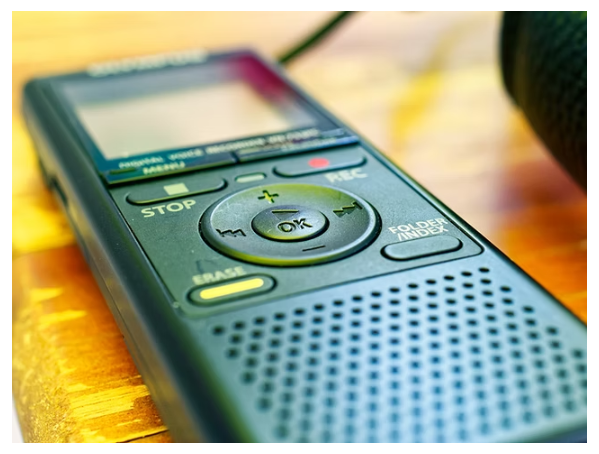
Burnout is a rising crisis across healthcare systems globally. This article dives deep into how medical dictation software is emerging as a practical solution to support overburdened clinicians. Instead of spending hours typing documentation after appointments (sometimes late into the night), dictation software allows instant capture of patient interactions in real-time via voice. The article explains how these tools automatically learn a physician’s voice and preferred terminologies, resulting in highly accurate transcriptions with minimal corrections. It focuses on the emotional and mental health benefits—doctors leave work earlier, reclaim personal time, and stay more energized during shifts. With integrated mobile apps, physicians can dictate on the go, review notes between rounds, and update records effortlessly. By reducing clerical workload without compromising detail or regulatory compliance, medical dictation software emerges as a vital, doctor-friendly technology that restores work-life balance and promotes happier, more resilient healthcare teams.