
Fashion is more than just fabric and stitches; it is a form of storytelling that weaves culture, history, and personal expression into every garment. Among the many styles that carry rich narratives, kaftans and dresses stand out as timeless pieces that transcend trends and borders. These garments are not only about aesthetics but also about heritage, identity, and the stories they silently convey.
The Origins and Evolution of the Kaftan
The kaftan is a garment with deep historical roots, tracing back thousands of years to ancient Mesopotamia and Persia. Traditionally, it was a long, loose robe worn by men and women alike, often signifying status and wealth. Over the centuries, the kaftan evolved, adapting to different cultures and climates, yet retaining its essence as a symbol of comfort and elegance.
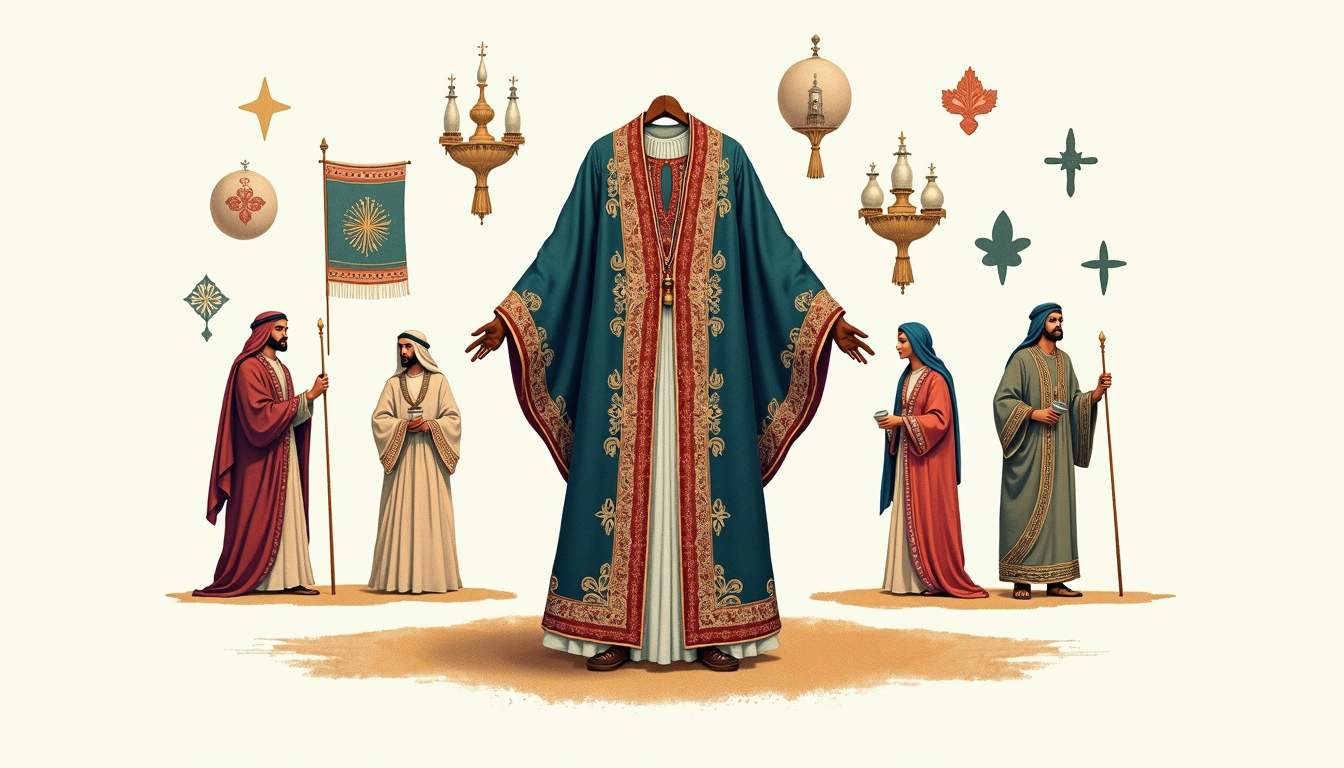
In North Africa and the Middle East, the kaftan became a staple of traditional attire, often elaborately embroidered and made from luxurious fabrics like silk and brocade. Moroccan kaftans, for instance, are renowned for their intricate hand-stitched designs and vibrant colors. These garments were not merely clothing but a reflection of the wearer’s social standing and regional identity. The kaftan’s embellishments often included intricate patterns and motifs that told stories of heritage, with each stitch representing a connection to cultural history and artisanal craftsmanship.
Today, the kaftan has been embraced worldwide, finding its place in contemporary fashion. Designers reinterpret the classic silhouette with modern fabrics, cuts, and embellishments, making it a versatile piece suitable for casual wear, beach cover-ups, or even formal events. The kaftan’s journey from ancient robes to modern fashion statements highlights its enduring appeal and adaptability. In recent years, fashion icons and celebrities have donned kaftans on red carpets and at high-profile events, further solidifying its status as a chic and fashionable choice. Additionally, the rise of sustainable fashion has seen a resurgence in interest in handcrafted kaftans, as consumers seek out unique pieces that celebrate artisanal techniques and cultural heritage.
Moreover, the kaftan’s influence extends beyond clothing; it has inspired various art forms, including textiles and interior design. The vibrant patterns and flowing shapes of kaftans have been translated into home decor, with cushions, curtains, and throws that echo the garment’s rich aesthetic. This cross-pollination of fashion and design showcases the kaftan’s versatility and its ability to inspire creativity across different mediums, making it a timeless symbol of style and cultural significance. To explore more unique designs, you can visit Rooh London for inspiration.
Dresses: A Canvas of Cultural Expression
Dresses, much like kaftans, serve as a canvas for cultural expression across the globe. From the flowing saris of India to the structured cheongsams of China, dresses tell stories of tradition, craftsmanship, and societal values. Each style carries unique symbolism and techniques passed down through generations. In many cultures, the choice of color, fabric, and design can signify everything from social status to personal beliefs, making each dress a powerful statement of identity.
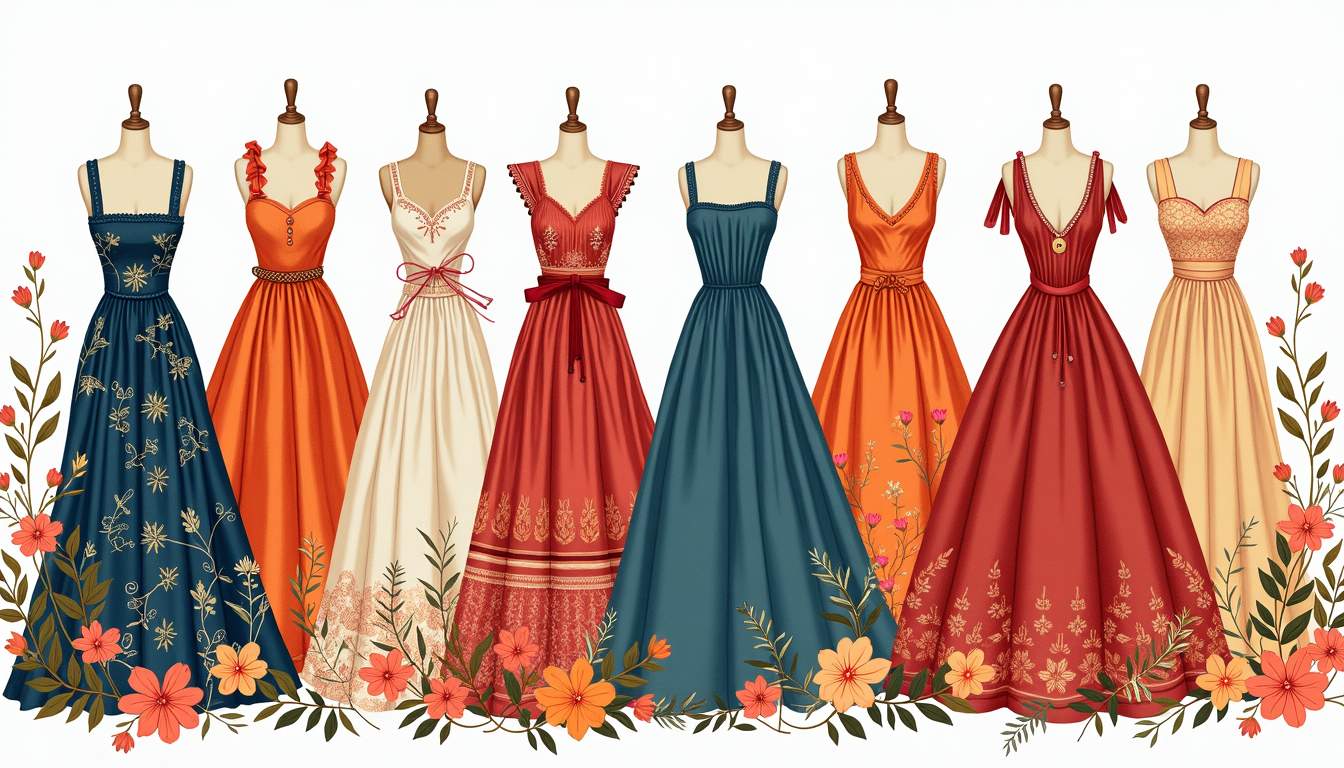
In Western fashion, dresses have evolved dramatically over centuries, reflecting changing social norms and artistic movements. The Victorian era’s corseted gowns spoke of formality and social hierarchy, while the flapper dresses of the 1920s symbolized liberation and rebellion. These shifts in dress styles mirror broader historical changes, making dresses a living archive of human experience. The rise of the miniskirt in the 1960s, for instance, not only revolutionized women’s fashion but also marked a significant shift towards gender equality and personal freedom, showcasing how dresses can encapsulate the zeitgeist of their times.
Moreover, dresses often embody personal narratives. A wedding dress, for example, is laden with emotional significance, representing love, commitment, and new beginnings. Similarly, a dress worn during a milestone event can become a cherished heirloom, connecting past and future generations. The act of passing down a dress can serve as a bridge between eras, allowing stories of love and resilience to be shared through fabric. In many families, these garments become vessels of memory, each stitch holding the laughter and tears of those who wore them before.
The Role of Fabric and Craftsmanship
The story a dress tells is often embedded in its fabric and craftsmanship. Handwoven textiles, intricate lacework, and detailed beadwork are not merely decorative but carry cultural and artistic heritage. In many communities, the techniques used to create these garments are sacred knowledge, preserved and passed down through family lines. The labor involved in crafting a dress can be immense, with artisans dedicating years to perfecting their skills. This dedication not only results in stunning pieces of art but also supports the livelihoods of many families, reinforcing the importance of traditional craftsmanship in today’s global economy.
For instance, the traditional Japanese kimono is crafted with meticulous care, each pattern and color chosen for its symbolic meaning. The process of creating a kimono can take months, involving various artisans specializing in dyeing, weaving, and sewing. Similarly, African wax prints used in many dresses are vibrant and bold, often telling stories through their motifs and colors. These prints are not just fabric; they represent a rich history of trade and cultural exchange. Wearing such garments is a way of honoring and celebrating cultural identity, allowing individuals to express their heritage while also participating in a global dialogue about fashion and identity. In this way, dresses become more than mere clothing; they transform into powerful symbols of cultural pride and personal expression.
Kaftans and Dresses in Contemporary Fashion
In today’s globalized world, kaftans and dresses have become symbols of cross-cultural appreciation and fusion. Designers blend traditional elements with modern aesthetics to create pieces that resonate with diverse audiences. This fusion not only celebrates heritage but also pushes the boundaries of fashion innovation. The intricate embroidery and vibrant prints often found in kaftans tell stories of cultural significance, while contemporary silhouettes cater to the tastes of a global market. As a result, these garments are not merely clothing items; they are expressions of identity and artistry, bridging the gap between past and present.
The rise of sustainable and ethical fashion has also brought renewed attention to handcrafted kaftans and dresses. Consumers increasingly value garments made with care, supporting artisans and preserving traditional crafts. This movement fosters a deeper connection between the wearer and the garment, transforming fashion into a meaningful experience. Many brands are now highlighting the stories behind their creations, showcasing the skilled hands that produce each piece. By prioritizing transparency and ethical practices, they encourage consumers to make informed choices, thus promoting a more sustainable fashion ecosystem that honors both the environment and cultural heritage.
Styling Kaftans and Dresses for Modern Life
One of the reasons kaftans and dresses remain popular is their versatility. A kaftan can be styled as a relaxed daywear piece or elevated with accessories for an evening look. Dresses, too, can transition from casual to formal with the right pairing of shoes, jewelry, and outerwear. The adaptability of these garments allows wearers to express their individuality while remaining comfortable and stylish. For instance, a flowing kaftan paired with strappy sandals and a wide-brimmed hat can create a chic beach outfit, while the same piece can be transformed into an elegant evening ensemble with statement earrings and heeled mules.
Layering has become a popular trend, allowing for creative expression. For example, wearing a brightly patterned kaftan over slim trousers or pairing a vintage-inspired dress with contemporary sneakers creates a fresh, personalized style. This adaptability ensures these garments remain relevant and cherished in modern wardrobes. Additionally, incorporating different textures and fabrics can enhance the overall look; a lightweight linen kaftan can be layered over a fitted turtleneck for a cozy yet stylish autumn outfit. Accessories play a crucial role as well—belts can cinch the waist of a loose dress, while chunky jewelry can add a bold statement to an otherwise simple kaftan. This freedom to mix and match not only showcases personal style but also highlights the endless possibilities that kaftans and dresses offer in the realm of contemporary fashion.
Fashion as a Storyteller: Personal and Collective Narratives
Beyond cultural heritage, kaftans and dresses tell personal stories of identity, memory, and transformation. Each garment worn carries the imprint of experiences, emotions, and moments in time. They become silent witnesses to celebrations, challenges, and everyday life.
For many, choosing a kaftan or dress is an act of self-expression, a way to communicate personality and mood without words. The colors, patterns, and styles selected can reflect inner states or aspirations. In this sense, fashion becomes a language, rich with symbolism and meaning.
The Emotional Connection to Clothing
Clothing often holds emotional significance, connecting individuals to people, places, and times. A dress passed down from a grandmother, or a kaftan bought during a meaningful journey, carries stories beyond its physical form. These garments become treasured keepsakes, embodying love, heritage, and continuity.
Moreover, fashion can empower. Wearing a garment that resonates personally can boost confidence and foster a sense of belonging. This emotional dimension of fashion underscores why kaftans and dresses, with their rich histories and expressive potential, continue to captivate and inspire.
Conclusion
Kaftans and dresses are far more than mere clothing; they are storytellers that connect past and present, individual and community. Through their fabrics, designs, and cultural significance, they offer a window into history, identity, and personal expression. Embracing these garments is an invitation to celebrate diversity, honor tradition, and express oneself with authenticity.
In a world where fashion can sometimes feel fleeting and superficial, kaftans and dresses remind us of the deeper narratives woven into every thread. They encourage us to wear our stories proudly, turning everyday dressing into an artful act of storytelling.