
Understanding Skin Cancer: Types and Risks
Skin cancer is one of the most common forms of cancer worldwide, yet it remains highly preventable and treatable when caught early. It develops when skin cells grow uncontrollably, often due to DNA damage caused by ultraviolet (UV) radiation from the sun or tanning beds. Understanding the different types of skin cancer and the risk factors involved is crucial for effective prevention and early detection.
The three primary types of skin cancer are basal cell carcinoma (BCC), squamous cell carcinoma (SCC), and melanoma. Basal cell carcinoma is the most common and usually appears as a pearly or waxy bump on sun-exposed areas like the face and neck. Squamous cell carcinoma tends to manifest as red, scaly patches or sores that may crust or bleed. Melanoma, though less common, is the most dangerous type, often developing from moles or pigmented spots and capable of spreading to other parts of the body if untreated.
Several risk factors increase the likelihood of developing skin cancer. Prolonged exposure to UV radiation, fair skin that burns easily, a history of sunburns, excessive time spent outdoors without protection, and a family history of skin cancer all contribute to higher risk. Additionally, individuals with numerous moles or atypical moles should be vigilant, as these can sometimes transform into melanoma.
In addition to the aforementioned risk factors, certain lifestyle choices can also influence skin cancer risk. For instance, individuals who frequently use tanning beds are at a significantly higher risk of developing both melanoma and non-melanoma skin cancers. The artificial UV radiation emitted by these devices can cause similar DNA damage as natural sunlight, leading to an increased likelihood of malignant growths. Furthermore, some studies suggest that a weakened immune system, whether due to medical conditions or medications, can also elevate the risk of skin cancer, making regular skin checks even more critical for these individuals. To ensure early detection and expert care, you can visit Shire Doctors and Dentists, who provide an extensive array of medical treatments, offering you a wealth of expertise, all conveniently available under one roof.
Awareness and education about skin cancer are essential components of prevention. Regular self-examinations can help individuals identify any changes in their skin, such as new growths or changes in existing moles. The ABCDE rule is a helpful guideline for recognizing potential melanomas: Asymmetry, Border irregularity, Color variation, Diameter larger than a pencil eraser, and Evolving size or shape. By being proactive and seeking dermatological advice when necessary, individuals can significantly improve their chances of early detection and successful treatment.
Early Detection: The Key to Successful Treatment
Recognizing Warning Signs
Early detection dramatically improves the chances of successful treatment and survival. Knowing what to look for on your skin can make a significant difference. The ABCDE rule is a helpful guide for identifying suspicious moles or growths:
- A – Asymmetry: One half of the mole doesn’t match the other.
- B – Border: Edges are irregular, ragged, or blurred.
- C – Color: Uneven shades of brown, black, pink, red, white, or blue.
- D – Diameter: Larger than 6 millimeters (about the size of a pencil eraser).
- E – Evolving: Changes in size, shape, color, or symptoms such as itching or bleeding.
Besides melanoma, watch for any new or changing spots, sores that don’t heal, or unusual growths on the skin. If you notice any of these signs, it’s important to consult a dermatologist promptly. Understanding your skin type and family history can also provide valuable context; for instance, individuals with a family history of skin cancer may need to be more vigilant and proactive in monitoring their skin’s condition. Furthermore, environmental factors such as excessive sun exposure or the use of tanning beds can increase the risk of skin cancer, making awareness even more critical.
Regular Skin Checks
Performing monthly self-examinations can help you become familiar with your skin’s normal appearance and detect changes early. Use a full-length mirror and a handheld mirror to check hard-to-see areas like your back, scalp, and behind your ears. Don’t forget to inspect your palms, soles, and under your nails. It can be beneficial to take photographs of your moles and skin condition over time, allowing you to track changes more effectively. This visual record can serve as a useful reference when discussing your skin health with your dermatologist.
Annual skin exams by a healthcare professional are recommended, especially for those at higher risk. Dermatologists can use specialized tools like dermatoscopes to examine moles and lesions more closely and may perform biopsies if necessary. These professional assessments are vital not only for detecting skin cancer but also for educating patients about proper skin care and sun protection strategies. Regular consultations can also foster a proactive approach to skin health, where patients feel empowered to ask questions and express concerns about any changes they observe, ensuring that they remain engaged in their own health journey.
Treatment Options: Tailored to the Type and Stage
Surgical Treatments
For many skin cancers, surgery remains the primary treatment. The goal is to remove the cancerous tissue completely while preserving as much healthy skin as possible. Common surgical methods include excisional surgery, where the tumor and a margin of healthy tissue are cut out, and Mohs micrographic surgery, a precise technique that removes cancer layer by layer, examining each under a microscope until no abnormal cells remain. Mohs surgery is especially useful for cancers in sensitive or cosmetically important areas like the face. This meticulous approach not only ensures complete removal of cancerous cells but also minimizes scarring, which is a significant concern for many patients.
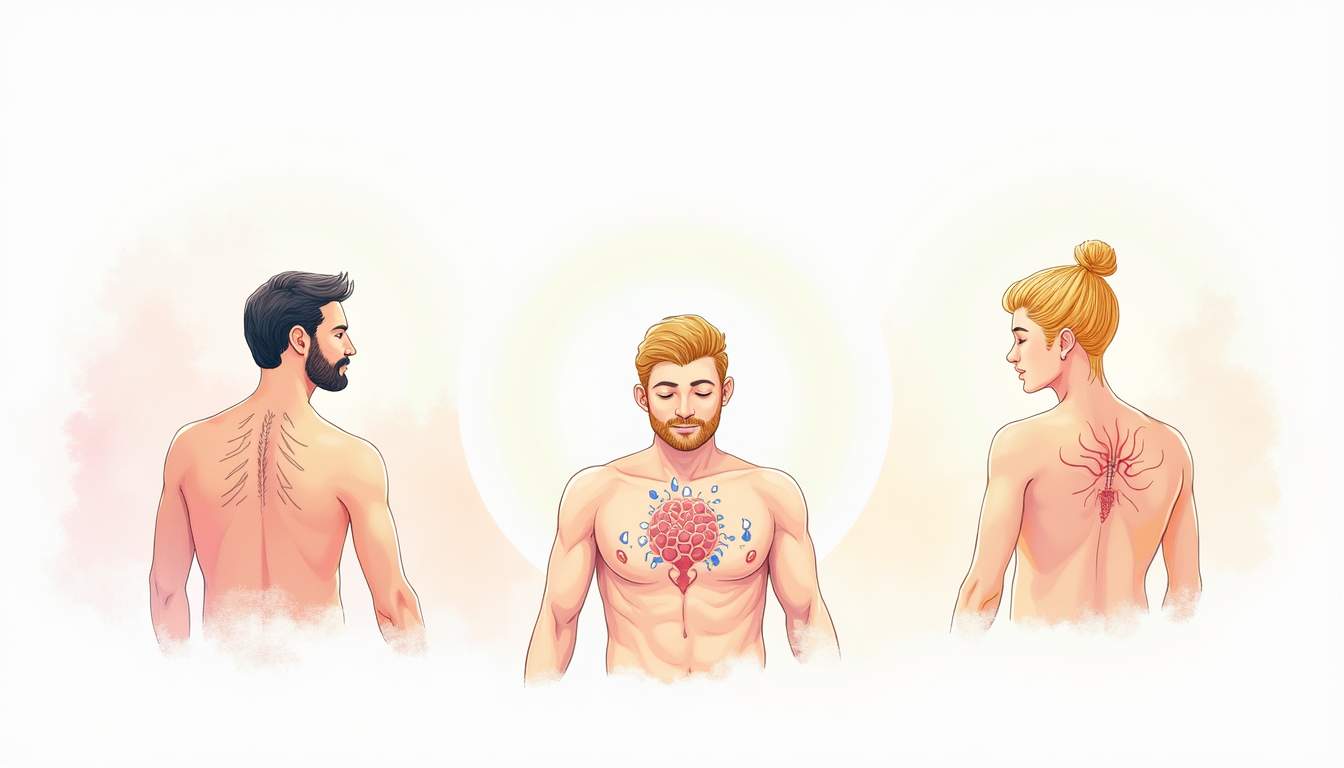
In addition to these methods, other surgical interventions may be considered based on the specific characteristics of the cancer. For instance, cryosurgery involves freezing the cancer cells with liquid nitrogen, effectively destroying them while sparing surrounding healthy tissue. This technique is particularly beneficial for superficial basal cell carcinomas and squamous cell carcinomas. Furthermore, for larger tumors or those that have spread, reconstructive surgery may be necessary post-excision to restore the skin’s appearance and function, highlighting the importance of a multidisciplinary approach in skin cancer treatment.
Non-Surgical Treatments
In some cases, non-surgical options may be appropriate. These include topical medications that stimulate the immune system to attack cancer cells, such as imiquimod or fluorouracil creams. Photodynamic therapy, which combines a photosensitizing drug with light exposure to destroy cancer cells, is another option for superficial skin cancers. This treatment not only targets the cancerous cells but also leaves surrounding healthy tissue largely unharmed, making it a favorable option for patients concerned about cosmetic outcomes.
Radiation therapy may be used when surgery isn’t feasible or as an adjunct to surgery, particularly for advanced cases. This method employs high-energy rays to target and kill cancer cells, and it can be especially effective for patients who may not tolerate surgery well due to other health conditions. Additionally, targeted therapies and immunotherapies have revolutionized treatment for advanced melanoma by helping the immune system recognize and destroy cancer cells more effectively. These innovative treatments are tailored to the genetic makeup of the tumor, allowing for a more personalized approach that can lead to better outcomes and fewer side effects.
Follow-Up Care
After treatment, regular follow-up appointments are essential to monitor for recurrence or new skin cancers. Patients should continue self-examinations and maintain sun protection habits to reduce future risk. Emotional support and counseling may also be beneficial, as dealing with cancer can be stressful. Support groups and educational resources can provide a sense of community and understanding, helping patients navigate the emotional landscape of their diagnosis and treatment.
Moreover, lifestyle modifications play a crucial role in post-treatment care. A balanced diet rich in antioxidants, regular physical activity, and adequate hydration can enhance overall well-being and may support the body’s healing process. Dermatologists often recommend regular skin checks, not only for the patients themselves but also for their family members, as some skin cancers can have a hereditary component. By fostering a proactive approach to skin health, patients can empower themselves and contribute to their long-term wellness.
Prevention Strategies: Protecting Your Skin Every Day
Sun Safety Practices
Prevention is the most effective way to combat skin cancer. Since UV radiation is the leading cause, adopting sun-safe behaviors is critical. Always apply broad-spectrum sunscreen with an SPF of 30 or higher, even on cloudy days or during winter. Reapply every two hours, or more often if swimming or sweating.
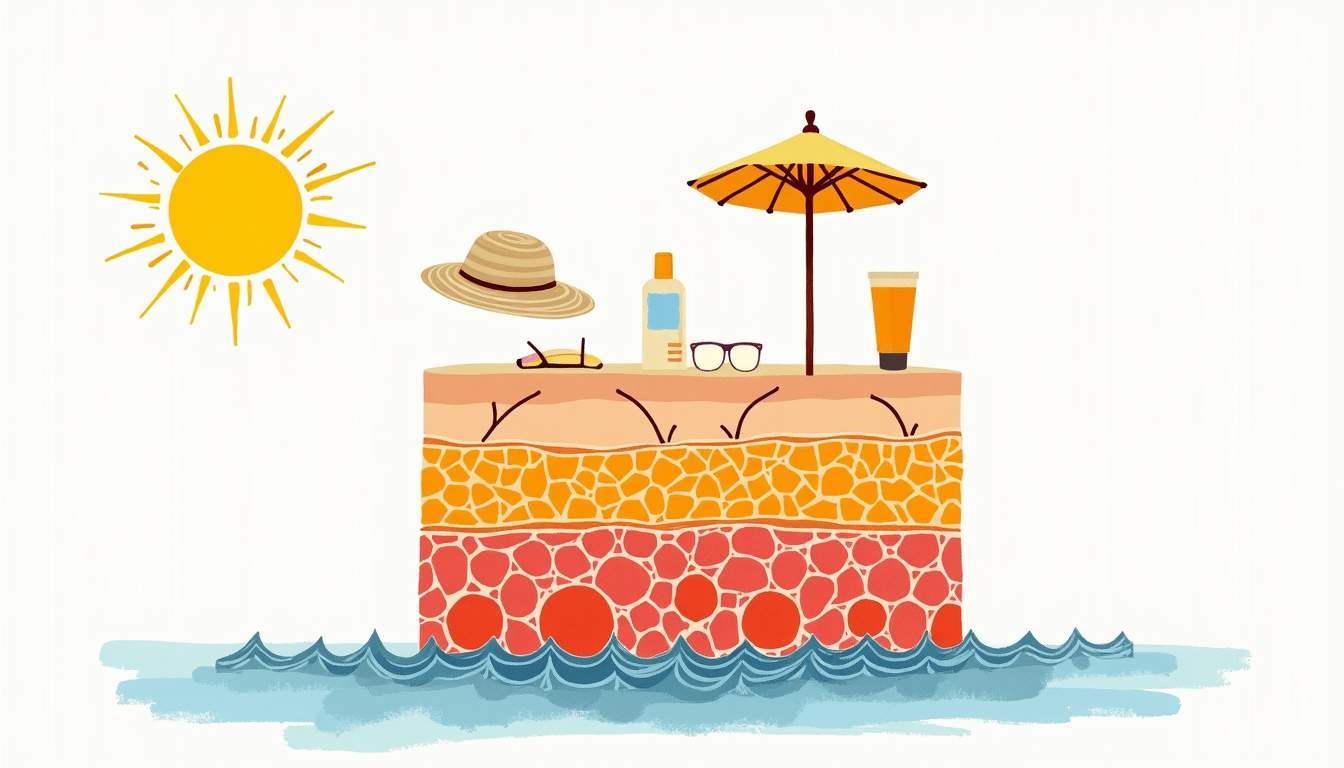
Seek shade during peak sun hours, typically between 10 a.m. and 4 p.m., when UV rays are strongest. Wearing protective clothing such as long-sleeved shirts, wide-brimmed hats, and UV-blocking sunglasses adds an extra layer of defense. Remember, tanning beds are not a safe alternative to natural sunlight and significantly increase skin cancer risk.
Lifestyle and Skin Health
Maintaining overall skin health supports its ability to repair damage and resist cancerous changes. Staying hydrated, eating a balanced diet rich in antioxidants, and avoiding smoking can improve skin resilience. Some studies suggest that certain vitamins and nutrients, like vitamin D and omega-3 fatty acids, may play a role in skin health, but they should not replace sun protection measures.
Educating and Advocating
Raising awareness about skin cancer prevention and early detection is vital. Encourage family, friends, and community members to adopt sun-safe habits and get regular skin checks. Schools and workplaces can promote skin health by providing shaded areas and educating about the dangers of UV exposure.
Innovations and Future Directions in Skin Cancer Care
Advances in technology and medicine continue to improve skin cancer outcomes. Artificial intelligence (AI) and machine learning are increasingly used to analyze skin images, helping dermatologists identify suspicious lesions more accurately and quickly. Mobile apps now allow users to track moles and receive reminders for skin checks.

Research into new treatments, including personalized immunotherapies and gene-based approaches, holds promise for more effective and less invasive options. Additionally, public health initiatives aimed at reducing tanning bed use and increasing sunscreen accessibility are making a difference in prevention efforts worldwide.
Ultimately, a combination of awareness, early detection, effective treatment, and consistent protection offers the best defense against skin cancer. By staying informed and proactive, individuals can significantly reduce their risk and enjoy healthier skin for years to come.