
In the precise and demanding world of surgical procedures, the quality and function of each instrument are paramount. Among the most fundamental tools in a surgeon’s arsenal is a type of hemostat known for its reliability and versatility. This guide explores the indispensable role of Kelly forceps in modern medicine, from their design to their critical applications in the operating room. Understanding this tool offers a glimpse into the meticulous nature of surgical practice.
What Are Kelly Forceps?
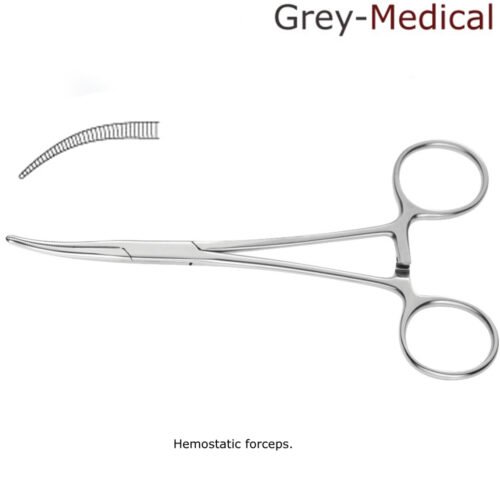
Kelly forceps are a specific type of hemostatic forceps, primarily used to clamp and control blood vessels to stop bleeding (hemostasis) during surgery. Their design is simple yet highly effective. They feature ring handles and a ratchet mechanism that allows them to be locked in place, freeing up the surgeon’s hands for other tasks. This locking feature provides a secure, consistent grip on tissue or vessels without requiring continuous manual pressure.
The jaws of the forceps are a key distinguishing feature. Kelly forceps have serrations that run partially down the length of the jaws, typically about one-half to two-thirds of the way. This design allows for a firm grip on larger vessels and tissues without causing unnecessary trauma to surrounding areas. The tips can be either straight or curved, offering surgeons flexibility depending on the specific needs of the procedure and the accessibility of the surgical site.
The Difference Between Kelly and Crile Forceps
Surgeons and medical professionals often need to choose between similar-looking instruments. A common point of comparison is between Kelly and Crile forceps. While they appear almost identical at a glance, the primary difference lies in their jaw serrations. As mentioned, Kelly forceps have serrations that only cover part of the jaw length.
In contrast, Crile forceps have serrations that extend along the entire length of the jaws. This seemingly minor distinction has significant practical implications. The full serrations on Crile forceps provide a more aggressive grip, making them suitable for clamping larger, tougher tissues. The partial serrations of Kelly forceps offer a more delicate touch, ideal for clamping specific vessels without crushing adjacent structures. The choice between them depends entirely on the surgical context and the type of tissue being handled.
Critical Applications in Surgical Procedures
The versatility of this instrument makes it a staple across numerous medical specialties. In general surgery, they are used for clamping blood vessels before they are ligated (tied off) or cauterized. Their presence is crucial for maintaining a clear, bloodless surgical field, which enhances visibility and safety. The curved variant is particularly useful for reaching around structures and clamping vessels in deeper, less accessible areas.
Beyond general surgery, bone reduction forcep are found in emergency medicine, obstetrics, and gynecology. During childbirth, for example, they may be used to clamp the umbilical cord. In emergency situations, they are invaluable for controlling hemorrhage from traumatic injuries. The robust yet relatively atraumatic design of Kelly forceps makes them a reliable tool for a wide range of clamping and grasping tasks, underscoring their importance in both routine and critical procedures.
The Importance of Quality and Precision
The effectiveness of any surgical instrument hinges on its manufacturing quality. Companies like GreyMedical®, a privately owned medical technology company, are dedicated to innovation and excellence in the craft of surgical instruments. High-quality forceps are crafted from durable materials like surgical-grade stainless steel, ensuring they can withstand repeated sterilization cycles without corroding or losing their integrity.
Precision engineering is equally important. The ratchet mechanism must lock securely and release smoothly. The jaws must align perfectly to ensure a consistent and reliable grip. Any imperfection, no matter how small, could compromise patient safety. For this reason, medical facilities and practitioners trust manufacturers who prioritize meticulous craftsmanship and adhere to the highest standards of quality. This commitment ensures that tools like Kelly forceps perform flawlessly when it matters most.
Conclusion
The Kelly forceps may seem like a simple tool, but its thoughtful design and critical function make it one of the most important instruments in surgery. From controlling bleeding in a general operation to assisting in specialized procedures, its reliability is essential for successful patient outcomes. The combination of a secure locking mechanism, versatile jaw design, and high-quality manufacturing solidifies its place as a cornerstone of the modern surgical toolkit.